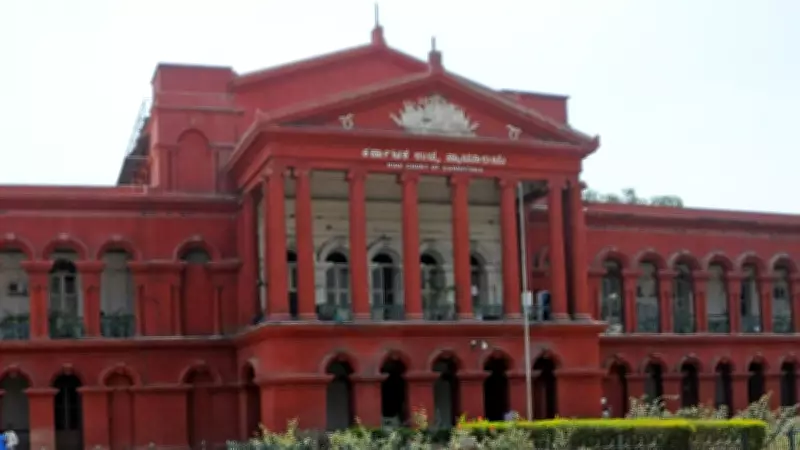
The Karnataka State Road Transport Corporation (KSRTC) unions have called off their strike following the intervention of the Karnataka High Court. The decision came after the court issued instructions while hearing a Public Interest Litigation (PIL) petition that sought to restrain the proposed strike.
High Court Steps In
The High Court's intervention was crucial in resolving the deadlock. The bench, while hearing the PIL, directed both the union representatives and the KSRTC management to engage in constructive dialogue to find a mutually acceptable solution. The court emphasized the need to ensure uninterrupted public transport services, which are vital for daily commuters across the state.
PIL Filed to Prevent Strike
The PIL was filed by a concerned citizen or group, arguing that the proposed strike would cause immense hardship to the public. The petitioner highlighted that thousands of passengers rely on KSRTC buses for their daily travel, and a sudden strike would disrupt their lives and livelihoods. The court took cognizance of these concerns and issued interim orders to prevent the strike from proceeding.

Unions Agree to Call Off Strike
Following the court's directives, the union leaders held meetings with the management and agreed to withdraw the strike. In a joint statement, they said that the decision was taken in the interest of the public and to maintain law and order. The unions also expressed their commitment to resolving their grievances through legal and peaceful means.
Impact on Commuters
The strike had caused widespread anxiety among commuters, especially those in rural and semi-urban areas where KSRTC buses are the only mode of public transport. With the strike called off, normal bus services have resumed, bringing relief to millions. The KSRTC management has assured that steps will be taken to address the concerns of the employees without disrupting services.
The Karnataka High Court's swift action has been widely appreciated by the public and transport authorities. It underscores the role of the judiciary in safeguarding public interest and ensuring that essential services are not held hostage by industrial disputes.