

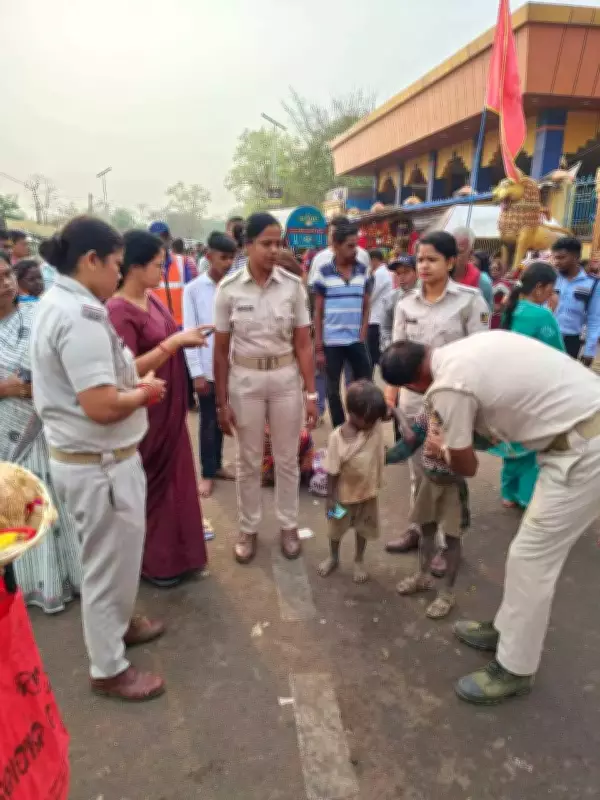
Odisha State Commission for Protection of Child Rights Initiates Comprehensive Drive Against Child Begging
In a significant move to safeguard vulnerable children, the Odisha State Commission for Protection of Child Rights (OSCPCR) has officially launched an extensive statewide drive aimed at rescuing children involved in begging activities. This initiative focuses on immediate rescue operations followed by systematic rehabilitation to ensure these children receive proper care, education, and protection from exploitation.
Commission Chairperson Highlights Grave Risks Faced by Begging Children
OSCPCR Chairperson Babita Patra issued a detailed advisory to district collectors and senior officials, underscoring the urgent need for intervention. She pointed out that children are frequently observed begging on streets, in bustling markets, at bus stands, and near railway stations across multiple districts in Odisha. "This practice exposes them to severe risks including exploitation, trafficking, physical abuse, and accidents," Patra stated emphatically. "Moreover, it deprives them of their fundamental rights to education, protection, adequate nutrition, and a dignified childhood."
Legal Framework and Mandate for Action
The commission has clarified that child begging constitutes a serious violation of child rights, explicitly prohibited under key legislation such as the Juvenile Justice (Care and Protection of Children) Act, 2015, and the Child and Adolescent Labour (Prohibition and Regulation) Act, 1986. According to OSCPCR directives, any child found begging must be legally classified as a 'Child in Need of Care and Protection'. This classification mandates that such children are provided with appropriate rehabilitation through established legal mechanisms, ensuring their well-being and future prospects.

Formation of District-Level Task Forces for Coordinated Efforts
To address the issue in a structured and coordinated manner, OSCPCR has instructed all districts to establish dedicated task forces. These teams will operate under the leadership of the district collector and include a multidisciplinary group of officials:
- Superintendent of Police
- Municipal Commissioner or Urban Local Body Representatives
- District Child Protection Officer
- District Labour Officer
- Representatives from the Special Juvenile Police Unit
- Officials from the Women and Child Development Department
- Non-Governmental Organizations (NGOs) specializing in child protection
The primary responsibilities of these task forces encompass planning and monitoring rescue operations, implementing rehabilitation programs, and developing preventive measures to eliminate child begging comprehensively.
Operational Guidelines for Rescue and Rehabilitation
District authorities have been directed to conduct regular rescue drives at high-risk locations such as traffic signals, marketplaces, bus stands, railway stations, and other public spaces where begging is prevalent. Upon rescue, children must be promptly presented before the Child Welfare Committee to obtain necessary orders under the Juvenile Justice Act, ensuring legal oversight and protection.
Furthermore, the commission mandates that rescued children be placed in suitable childcare institutions. In these facilities, they will receive essential services including formal education, psychological counselling, healthcare, nutritional support, and comprehensive rehabilitation assistance. Simultaneously, strict legal action is recommended against individuals or organized groups found forcing children into begging.
Enhanced Monitoring and Legal Enforcement Against Exploitation
OSCPCR has called for heightened vigilance by police forces, particularly in cases suspected of involving trafficking or organized exploitation. Authorities from the anti-human trafficking unit and other relevant police wings are instructed to maintain a special watch on such networks to dismantle them effectively. This proactive approach aims to not only rescue children but also prosecute those responsible for their exploitation.

Accountability and Reporting Mechanisms
To ensure transparency and continuous progress, district officials are required to submit monthly compliance reports to OSCPCR. These reports must detail all actions taken, including specifics of rescue operations, rehabilitation measures implemented, and any legal proceedings initiated. The commission emphasizes that coordinated efforts across various departments are crucial to eradicating child begging and upholding every child's right to safety, care, and education.
This initiative represents a robust step towards creating a safer environment for children in Odisha, aligning with national and international child protection standards. By integrating rescue, rehabilitation, and legal enforcement, OSCPCR aims to transform the lives of vulnerable children and secure their future.





