PM Modi Demands Accountability in NCERT Judiciary Chapter Controversy
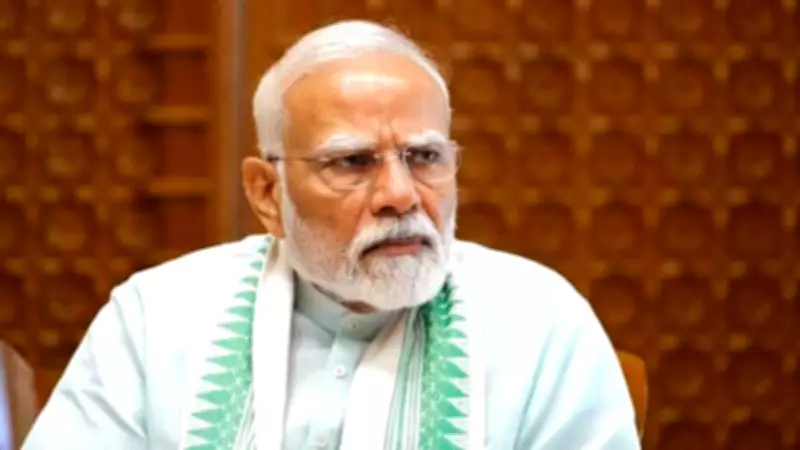
Prime Minister Narendra Modi has expressed strong displeasure over a controversial chapter in the National Council of Educational Research and Training (NCERT) textbooks, which has sparked a major row. The Prime Minister has called for fixing accountability in this matter by the year 2026, emphasizing the need for swift action to address the issue.
Details of the Controversial Chapter
The controversy centers around a specific chapter in the NCERT curriculum that deals with the judiciary. This chapter has been criticized for its content, which some argue is misleading or inappropriate for students. The exact nature of the content has not been fully disclosed, but it has raised concerns among educators, parents, and political leaders alike.
Prime Minister Modi's response was immediate and firm. He made it clear that such lapses in educational materials are unacceptable and must be rectified promptly. His call for accountability underscores the government's commitment to maintaining high standards in the education system.

Call for Accountability by 2026
In his statement, PM Modi set a deadline of 2026 for fixing accountability. This timeline indicates a sense of urgency in resolving the issue and ensuring that similar incidents do not occur in the future. The Prime Minister's directive is expected to lead to a thorough investigation into how the controversial chapter was approved and included in the textbooks.
The education sector has been under scrutiny recently, with various reforms aimed at improving quality and relevance. This incident highlights the challenges in implementing these changes and the importance of oversight in curriculum development.
Reactions and Implications
The row over the NCERT judiciary chapter has drawn widespread attention. Key stakeholders, including:
- Educational experts who stress the need for accurate and unbiased content.
- Political figures who have voiced support for PM Modi's stance.
- Parents and students concerned about the impact on learning.
The controversy also raises broader questions about the role of NCERT in shaping India's educational landscape. As the primary body responsible for developing school curricula, NCERT's decisions have far-reaching consequences for millions of students across the country.
Moving forward, the government's response to this issue will be closely watched. The call for accountability by 2026 sets a clear expectation for transparency and corrective measures. It remains to be seen how NCERT and other involved parties will address the concerns raised by the Prime Minister and the public.