Despite collecting crores of rupees as environmental compensation from violators, the Punjab Pollution Control Board (PPCB) has failed to take adequate measures for ecological restoration, according to data obtained under the Right to Information (RTI) Act. Instead of utilizing the funds for cleanup, the board continues to earn interest on the deposited amount.
The Polluter Pays Principle (PPP), a fundamental maxim of environmental law, stipulates that entities causing ecological degradation must bear the full financial cost of management, cleanup, and restoration. However, the PPCB's actions appear to contradict this principle.
The RTI data, obtained by activist Kamal Anand, reveals that urban local bodies (ULBs) across Punjab were slapped with environmental compensation totaling Rs 171 crore for failing to manage solid waste between April 1, 2021, and December 31, 2025. Of this, the pollution board recovered only Rs 21.87 crore, or 12.7 percent.

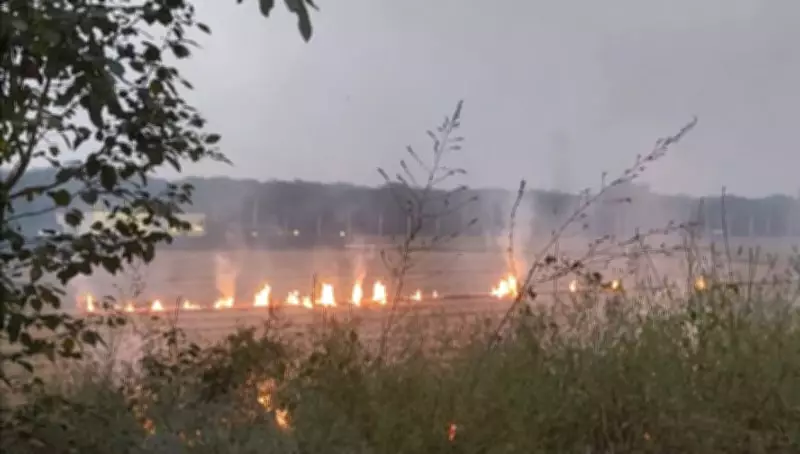
From March 2017 to March 2026, Rs 4.91 crore was collected from farmers as environmental compensation for stubble burning. However, only a meager Rs 29.83 lakh of that amount has been spent by the board to tackle pollution. The remaining funds have been stashed in savings accounts, Anand said.
“The funds collected under the guise of ecological restoration have been deposited in savings accounts to generate interest, rather than being deployed to clean Punjab’s increasingly toxic air and water,” Anand stated.
The PPCB’s recovery from commercial polluters, including heavy industry, brick kilns, and illegal mining operations, stands at Rs 45.82 crore over the past seven years (2019 to 2026). Of this, Rs 10.28 crore is lying in banks, having accumulated Rs 1.08 crore in interest over the past four years. The board did record a significant expenditure of Rs 36.62 crore from the industrial pool during the past four years, with a peak spending of Rs 19.09 crore in the recently concluded 2025–26 fiscal year. However, details of where or how this money was utilized have not been made public.