

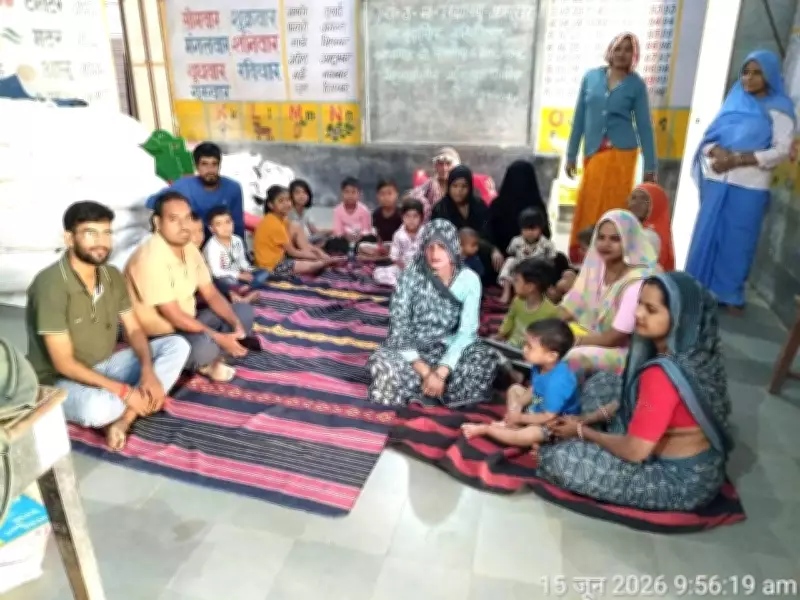
The state women and child development department in Rajasthan has initiated a campaign to enhance the role of fathers in early childhood care. This initiative uses parent-anganwadi meetings (PAMs) to concentrate on child development, nutrition, and health.
Meetings Across the State
Monday's meetings were conducted statewide, focusing on the themes “The Role of the Father in a Child’s Life” and “Nutrition, Balanced Diet, and Health.” Officials encouraged fathers and other male family members to take on greater childcare responsibilities, noting that their involvement fosters emotional security, confidence, and a positive home environment for children.
Officials conveyed the message: “Walking while holding a father’s hand gives a child the strength to face the entire world.”

Official Statements
Poonam, the department secretary, stated, “A father’s role is extremely important in the holistic development of children. Through these PAMs, efforts are being made to give fresh momentum to public awareness regarding children’s nutrition, health, education, and overall development.”
The meetings included discussions on children’s overall development, nutrition, health, early childhood care and education, and the family's role. Vasudev Malawat, director of Integrated Child Development Services (ICDS), said, “This time, special emphasis was placed on increasing the participation of fathers, grandfathers, uncles and other male guardians. The meeting aimed to make male family members active participants and to raise awareness about their responsibilities.”
Research and Benefits
Parents were informed about research showing that children who receive adequate time and guidance from fathers exhibit better intellectual, social, and emotional development. Malawat added, “Fathers instil life values such as courage, patience, discipline and responsibility in their children. Further, their participation leads to positive improvements in the children’s academic achievements.”
Anganwadi workers also discussed upcoming action plans at the centres, regular attendance, pre-school activities, and changes in children’s nutrition-related habits.






