India's landmark rural employment guarantee scheme, MGNREGA, was replaced on July 1, 2026, by the Viksit Bharat–Guarantee for Rozgar and Ajeevika Mission (Gramin) (VB-G RAM G). According to K S Tomar, writing in The Hindu, this is "one of the most consequential changes in India’s welfare architecture since 2005."
What is VB-G RAM G?
The new mission, VB-G RAM G, subsumes MGNREGA and introduces a reformed approach to rural livelihood guarantees. While details are still emerging, the shift signals a move from a rights-based entitlement to a mission-mode delivery system. The government argues that the change aims to improve efficiency and link employment with asset creation and skill development.
Key Changes and Concerns
Under MGNREGA, households were legally guaranteed 100 days of unskilled manual work per year. VB-G RAM G reportedly modifies this guarantee, though exact parameters are not yet fully public. Critics worry that the replacement dilutes the legal enforceability of the job guarantee, potentially reducing accountability. Tomar notes that the reform could be seen as either a necessary modernization or a retreat from the state's commitment to rural employment.

According to the article, the transition has sparked debate among economists and social activists. Some argue that VB-G RAM G may prioritize outcomes over process, while others fear it could lead to reduced fund allocation and fewer workdays. The government has assured that the new mission will be more responsive to local needs and will leverage technology for better implementation.
Impact on Rural India
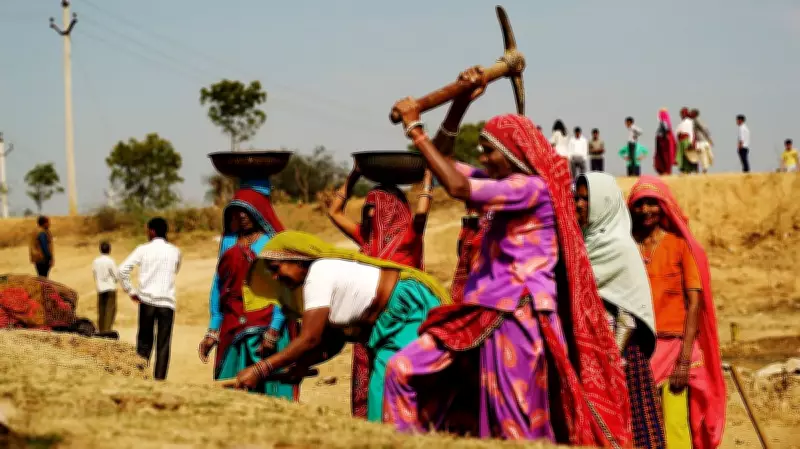
MGNREGA was enacted in 2005 and has been a lifeline for millions of rural households, especially during droughts and economic downturns. In 2023-24, the scheme provided work to over 7 crore families. The replacement comes at a time when rural distress remains high due to inflation and uneven monsoon. The success of VB-G RAM G will depend on whether it can maintain or expand coverage while improving the quality of assets created.
Tomar concludes that the change is a "test case" for India's welfare state, balancing fiscal prudence with social protection. The coming months will reveal whether VB-G RAM G strengthens rural livelihoods or marks a retreat from the guarantees that have defined India's social contract for two decades.