Understanding the Plight of Women in Rural Karnataka
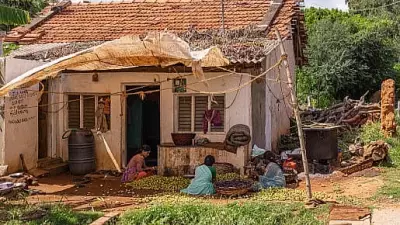
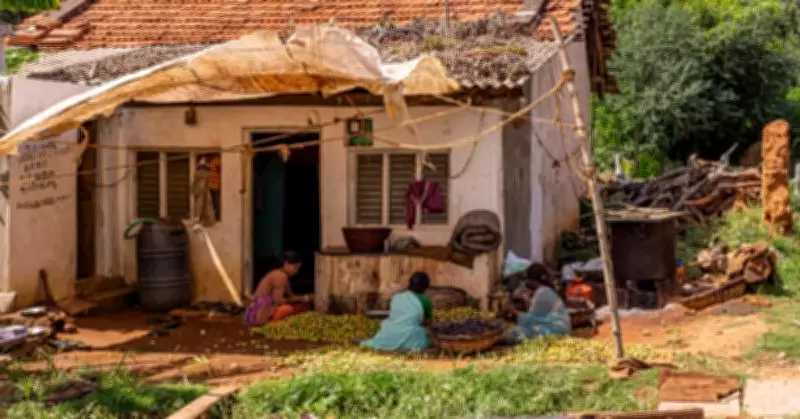
Life in rural Karnataka imposes significant hardships on women, as highlighted by Chandan Gowda in his recent column. These challenges encompass inadequate sanitation facilities, limited access to healthcare, deeply entrenched patriarchal norms, and economic dependency. The issues are multifaceted and require detailed examination to formulate effective solutions.
Sanitation and Hygiene: A Daily Struggle
According to the National Family Health Survey-5 (2019-2021), only 67% of rural households in Karnataka have access to improved sanitation facilities. Women often bear the brunt of this deficit, facing safety risks and health issues due to lack of private toilets. Open defecation remains common, exposing women to harassment and infections.
Healthcare Access and Maternal Mortality
Karnataka's maternal mortality ratio (MMR) stands at 92 per 100,000 live births (Sample Registration System 2018-2020), with rural areas faring worse. Limited availability of primary health centers (PHCs) and lack of emergency transport delay critical care. A 2022 study by the Public Health Foundation of India found that 40% of rural women in Karnataka reported unmet healthcare needs.

Patriarchal Norms and Economic Constraints
Deep-rooted patriarchy restricts women's mobility and decision-making power. The National Sample Survey Office (2019-2020) data shows that only 23% of women in rural Karnataka participate in the labor force, compared to 55% of men. Land ownership remains skewed, with women owning less than 10% of agricultural land, as per the Karnataka State Land Records.
Impact of Government Schemes
Initiatives like the Stree Shakti self-help groups and the Karnataka State Women's Development Corporation have provided microcredit and skill training. However, a 2023 evaluation by the Karnataka Evaluation Authority indicated that only 35% of targeted women have been reached effectively, citing bureaucratic hurdles and lack of awareness.
Call for Comprehensive Policy Action
Chandan Gowda emphasizes that these problems demand detailed attention. He notes, "The sadness of rural Karnataka is not just an emotional descriptor but a systemic failure that requires multi-pronged interventions." Experts recommend improving rural infrastructure, enhancing women's education, and enforcing legal protections against gender-based violence.
Conclusion: A Road Ahead
Addressing the challenges faced by women in rural Karnataka is crucial for the state's overall development. Policymakers must prioritize sanitation, healthcare, and economic empowerment through targeted programs and community engagement. Without concerted efforts, the cycle of deprivation will persist, undermining the well-being of half the population.