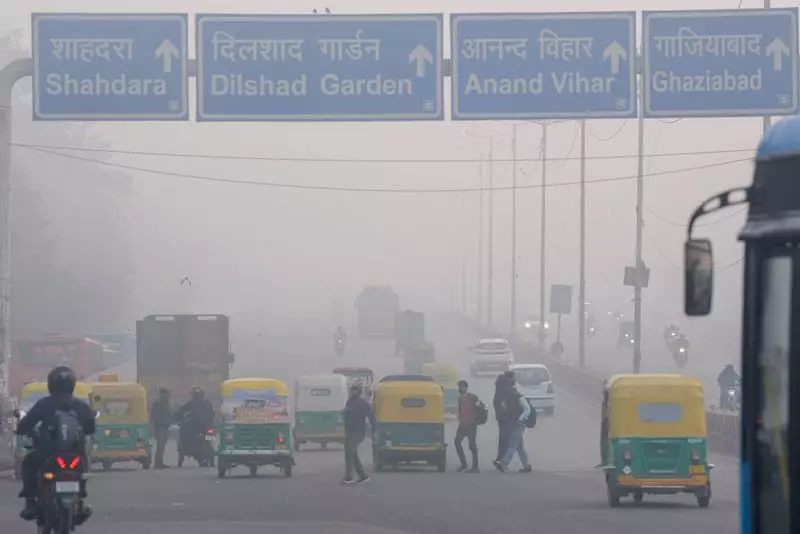
The Supreme Court of India has issued a significant directive to tackle the persistent problem of traffic congestion and its contribution to toxic air pollution at the national capital's entry points. The apex court has called for the relocation or permanent closure of nine major toll plazas situated on Delhi's borders.
A Judicial Push to Decongest Critical Entry Points
This order came during a hearing on November 7, where the court was addressing the worsening air quality crisis in Delhi-NCR. The bench, comprising Justices Sanjay Kishan Kaul and Sudhanshu Dhulia, expressed grave concern over the long queues of commercial vehicles at these toll booths. The judges observed that these snarls lead to idling engines releasing excessive pollutants, directly worsening the region's air quality.
The court specifically named the toll plazas at Badarpur, Aya Nagar, Kapashera, Sirhaul, Rajokri, Tikri, Kundli, and two locations at Ghazipur. These are critical entry points from states like Haryana and Uttar Pradesh, handling a massive influx of goods vehicles daily. The bench suggested that the toll collection system could be modernized, proposing the adoption of GPS-based tracking mechanisms to collect toll without forcing vehicles to stop.

Focus on Vehicular Emissions and Immediate Action
The Supreme Court's intervention underscores that vehicular emissions are a primary contributor to Delhi's pollution cocktail, especially during the winter months. The judges emphasized that the current toll plaza infrastructure is antiquated and counterproductive to environmental goals. They directed the concerned authorities, including the New Delhi Municipal Council (NDMC) and the Delhi government, to collaborate on implementing this order promptly.
This is not an isolated directive but part of a broader suite of measures the court is overseeing. The bench also revisited its previous orders on controlling dust from construction sites and preventing stubble burning in neighboring states. The message is clear: every identifiable source of pollution must be addressed with urgency and innovative thinking.
Broader Implications for Pollution Control Strategy
The order to shift or shut down toll plazas has wide-ranging implications. For commuters and transporters, it promises smoother transit and reduced fuel wastage. For residents of Delhi-NCR, it is a potential step towards breathing cleaner air. The court's push for technology-driven solutions like GPS-based tolling sets a precedent for modernizing urban infrastructure with environmental sustainability in mind.
However, the directive also presents logistical and financial challenges for the agencies that rely on toll revenue. The court acknowledged this but maintained that public health cannot be compromised. The onus is now on the executive authorities to devise a plan that balances fiscal needs with the fundamental right of citizens to a clean environment.
In conclusion, the Supreme Court's firm stance on the nine border toll plazas marks a decisive move to cut pollution at a tangible source. It reflects a judicial recognition that solving Delhi's airpocalypse requires tackling not just agricultural burning but also the everyday bottlenecks within the city's transport network. The effectiveness of this order will depend on the speed and sincerity of its implementation by the responsible government bodies.