A proposed new nuclear law in India, known as the SHANTI Bill, is generating significant debate. The legislation aims to reshape the country's atomic energy landscape, but a key provision concerning liability for suppliers in the event of a disaster has drawn sharp scrutiny. Critics argue the bill could shield equipment providers from financial responsibility, raising safety and accountability questions.
Autonomy of Regulator Under Scrutiny
A particularly contentious aspect of the SHANTI Bill revolves around the role and independence of the Atomic Energy Regulatory Board (AERB). The AERB is India's nuclear safety watchdog. The timing of these proposed changes is crucial, as they coincide with the government's push to open the nuclear energy sector to private sector players.
Experts and observers express concern that diluting the AERB's autonomy could compromise its ability to enforce stringent safety standards. This is seen as especially risky when new, private entities enter a high-stakes industry like nuclear power. The need for a robust and fully independent regulator is considered paramount to ensure public safety and maintain international confidence.

Liability Shield for Suppliers
At the heart of the controversy is a clause that reportedly limits the liability of nuclear suppliers in case of an accident. Under the existing Civil Liability for Nuclear Damage Act (CLNDA) of 2010, suppliers could be held liable under certain conditions. The new SHANTI Bill appears to amend this, potentially protecting suppliers from costly lawsuits and financial claims following a nuclear disaster.
Proponents argue that this change is necessary to attract foreign and domestic investment into India's nuclear sector. They claim that stringent liability rules have historically deterred major global nuclear suppliers from entering the Indian market. However, opponents counter that this move prioritizes corporate interests over the rights of victims and the principle of "polluter pays." They fear it creates a dangerous precedent and reduces the incentive for suppliers to maintain the highest possible safety standards in their equipment and technology.
Implications for India's Nuclear Future
The debate over the SHANTI Bill underscores a critical juncture for India's energy policy. The bill was reported on 19 December 2025, by journalist Shemin Joy, highlighting its immediate relevance. Opening the nuclear sector to private investment is a strategic goal to boost capacity and meet clean energy targets. Yet, this transition must be managed without compromising on safety protocols and regulatory oversight.
The central question remains: can India attract private investment while ensuring an uncompromising safety regime and holding all parties accountable? The final form of the SHANTI Bill will need to carefully balance these competing interests. The outcome will significantly influence the trajectory of India's nuclear energy program and its commitment to safeguarding its citizens and the environment from nuclear risks.
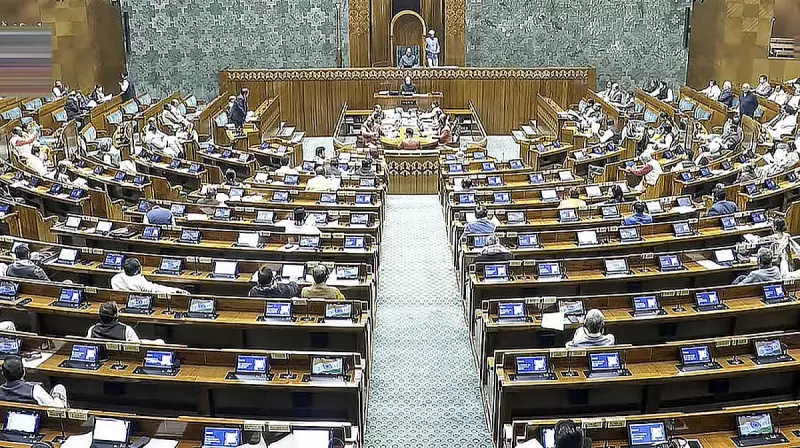
As Parliament considers this legislation, the discussions around supplier liability and regulatory independence are expected to intensify, shaping the future of one of the nation's most critical energy sectors.