

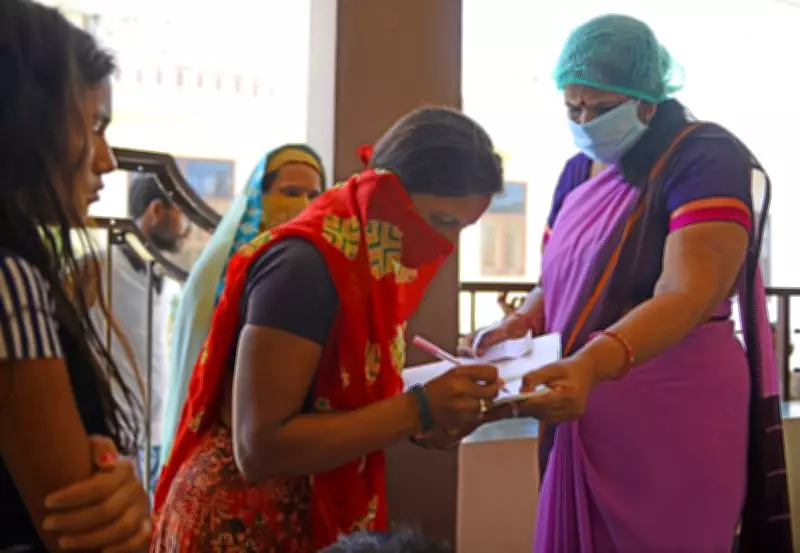
Anganwadi Workers in Shimla Rally for Death Compensation and Job Security for Families
Anganwadi workers in Shimla, Himachal Pradesh, have intensified their demands for death compensation and job security provisions for their families, staging protests to draw attention to critical issues affecting their welfare. These frontline workers, integral to the state's early childhood care and nutrition programs, are calling for immediate government action to address long-standing grievances that impact their livelihoods and future security.
Key Demands and Protest Details
The workers, organized under local unions, are specifically demanding a structured death compensation scheme to provide financial support to families in the event of a worker's demise. Additionally, they seek job security measures, including the assurance of employment opportunities for family members, such as spouses or children, to prevent economic hardship. The protests, held in Shimla, have seen significant participation, with workers highlighting the lack of adequate benefits despite their essential role in community health and education.
Historical Context and State Response

Anganwadi workers in Himachal Pradesh have historically faced challenges related to low wages, insufficient benefits, and job insecurity. The current demands build on past protests, with workers arguing that their contributions to maternal and child health services warrant better protection. State authorities have acknowledged the protests, but a concrete resolution remains pending, leading to continued unrest among the workforce.
Impact on Early Childhood Services
The ongoing agitation raises concerns about potential disruptions to Anganwadi services, which include supplementary nutrition, preschool education, and health check-ups for children and pregnant women. Experts warn that prolonged protests could affect service delivery in Shimla and surrounding areas, underscoring the need for swift government intervention to maintain the integrity of these critical programs.
Broader Implications for Social Welfare
This situation reflects broader issues in India's social welfare sector, where Anganwadi workers nationwide often grapple with similar demands for improved compensation and security. The Shimla protests serve as a microcosm of larger systemic challenges, prompting calls for policy reforms at both state and national levels to enhance support for these vital community workers.






