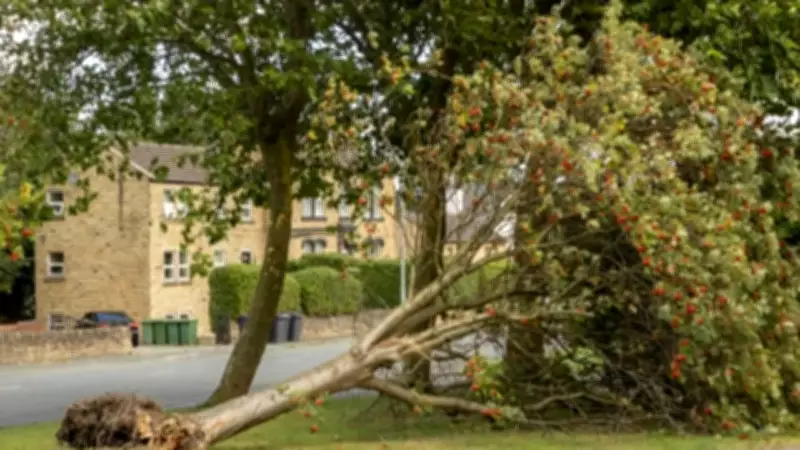
Overhanging branches from a neighbour's tree are a common source of disputes in the UK. They can block sunlight, drop leaves, and interfere with fence repairs. Many assume they can freely remove branches or roots, but British law imposes specific limitations. Understanding your rights is crucial before pruning. Here is what UK citizens should know about dealing with overhanging branches.
You Can Trim Overhanging Branches in General
UK law permits homeowners to cut branches that cross their property boundary. However, cutting must not go beyond the property line; you cannot enter the neighbour's land or damage the tree without permission. The work must be performed in a way that does not harm the neighbour's tree.
The Branches Belong to the Neighbour's Property
Cut branches remain the property of the tree owner. The owner typically has the right to dispose of the cuttings, but good practice suggests offering them back before disposal.

Council Permission May Be Required for Protected Trees
Some trees require local council approval before cutting. These include trees covered by Tree Preservation Orders or those in conservation areas. Violating these rules can lead to legal consequences and fines.
Do Not Kill the Tree While Trimming
While pruning overhanging branches is allowed, severe cutting can harm the tree's health and cause conflicts. If pruning negatively affects the tree's well-being, it might die, leading to disputes. Hiring a professional arborist is advisable.
Communication Usually Eliminates Potential Risks
Tree-related conflicts often arise from failing to inform neighbours beforehand. A simple conversation can resolve many issues. The neighbour might offer help or suggest joint professional care.
Dangerously Unstable Branches Require Immediate Action
If a tree is severely damaged or unhealthy, you may need to act to prevent accidents. Dangerous branches that could fall during storms should be removed promptly for safety. Notify your neighbour if possible, but sometimes immediate action is necessary.
Disclaimer
This article is for general informational purposes only and should not be considered legal advice. Property laws, tree regulations, and local council rules in the UK may vary depending on location, conservation status, and specific circumstances. Readers are advised to consult qualified legal professionals, local councils, or certified arborists before carrying out any tree trimming or boundary-related work involving neighbouring properties.