In Himachal Pradesh, the first phase of the Panchayati Raj Institutions (PRI) elections commenced today in the Lahaul and Spiti district. A total of 12 panchayats in the Lahaul subdivision are set to go to polls, marking the beginning of the three-phase election process for local bodies across the state.
Polling Arrangements and Security
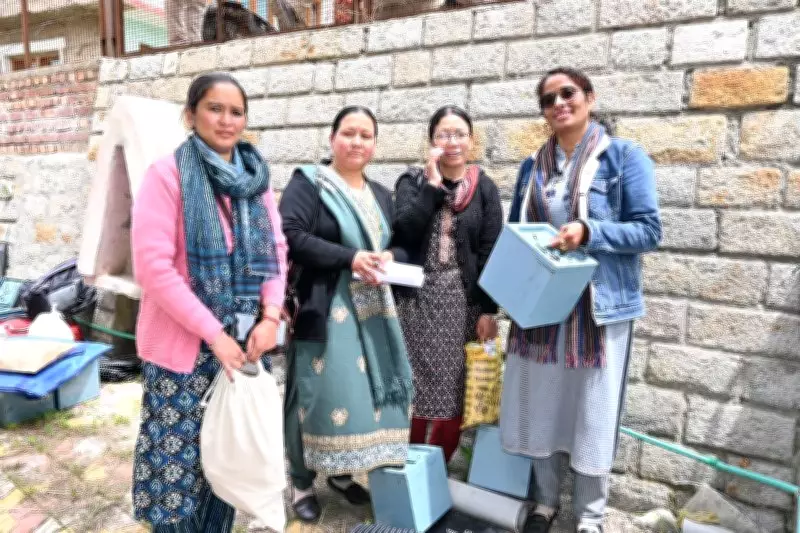
The administration has made elaborate arrangements for the smooth conduct of the elections. A total of 15 polling stations have been set up, with 10 designated as sensitive and five as hyper-sensitive. Security forces have been deployed in strength to ensure free and fair voting. The district election office confirmed that all necessary logistics, including electronic voting machines and polling staff, have been dispatched to the respective locations.
Voter Demographics and Candidates
According to official data, there are 5,432 registered voters in these 12 panchayats, comprising 2,789 men, 2,643 women, and 20 third-gender voters. A total of 48 candidates are contesting for various posts, including panch, up-pradhan, and pradhan. The candidates represent a mix of independent and party-affiliated nominees, with the ruling Congress and opposition BJP fielding their candidates in several seats.

The first phase is crucial as it sets the tone for the subsequent rounds. The second phase is scheduled for December 10, covering the Spiti subdivision, while the third phase will be held on December 15 for the remaining areas. The counting of votes will take place on December 18.
Issues at Stake
Local issues such as road connectivity, water supply, electricity, and development of tourism infrastructure are dominating the campaign. The Lahaul region, known for its scenic beauty and apple orchards, has seen demands for better healthcare facilities and educational institutions. Candidates have been door-to-door campaigning, promising to address these concerns if elected.
Voter turnout is expected to be high, given the enthusiasm among the electorate. The election is being closely watched as a litmus test for the popularity of the state government's policies in the tribal region.