Agricultural Distress Reaches Critical Levels in Maharashtra
The agricultural heartland of Marathwada in Maharashtra has witnessed a devastating tragedy with 899 farmers ending their lives during the first ten months of 2025. This alarming statistic has sent shockwaves through the farming community and prompted urgent calls for government intervention.
Climate Crisis Wreaks Havoc on Crops
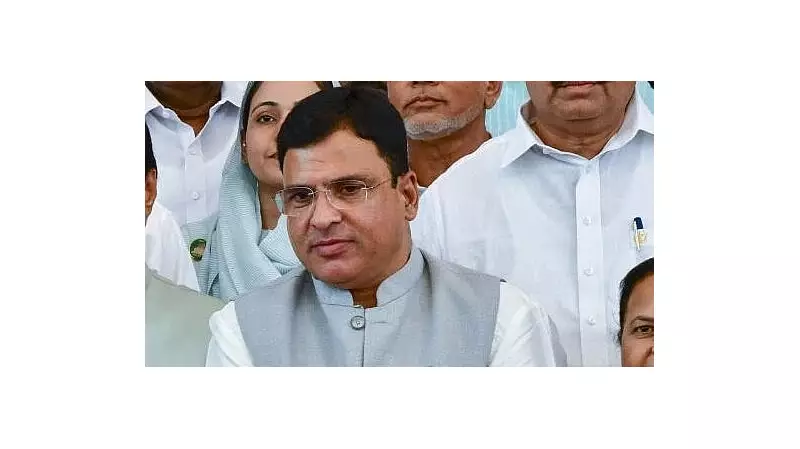
Farmer leader and former MP Raju Shetti expressed profound distress over the situation, highlighting how extreme weather patterns have destroyed livelihoods across the region. Unseasonal rainfall followed by severe flooding and an extended monsoon season created perfect conditions for agricultural disaster.
The prolonged wet weather proved particularly devastating for fruit orchards and standing crops that were unprepared for such conditions. Many farmers had invested significant resources in their plantations, only to watch their investments wash away in the unexpected deluge.

The Human Cost of Crop Failure
The consecutive blows of unseasonal rain, flooding, and extended monsoon created a cascade of problems for agricultural communities. Many farmers found themselves trapped in cycles of debt with no means of repayment after their crops were destroyed.
The situation in Marathwada represents a broader crisis affecting farming communities across Maharashtra. The region has historically struggled with water management issues, but the recent extreme weather events have pushed many farmers beyond their breaking point.
Agricultural experts note that the damage to fruit orchards is especially concerning since these crops represent long-term investments that take years to establish. When destroyed, farmers lose not just one season's income but their primary source of livelihood for years to come.
Calls for Comprehensive Support
The alarming suicide statistics have prompted demands for immediate government action and sustainable solutions to address the agricultural crisis. Community leaders are urging both state and central governments to implement effective relief measures that go beyond temporary fixes.
As the reporting period covered January through October 2025, concerns remain high about the final numbers for the entire year. The agricultural community awaits concrete support systems that can prevent such tragedies in future growing seasons.