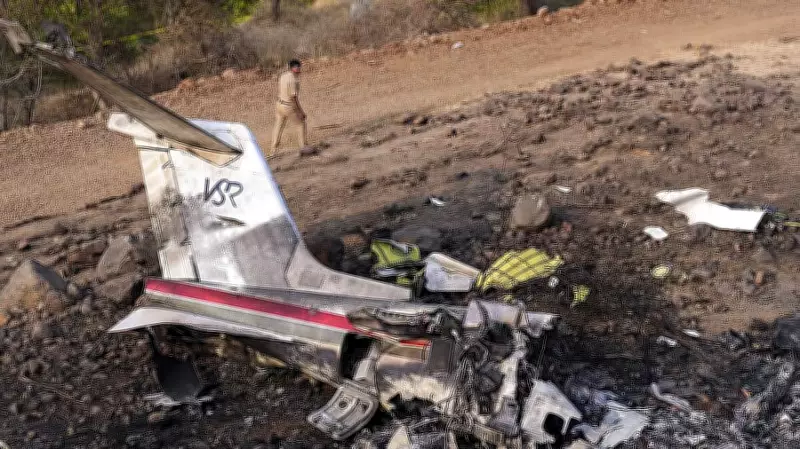
AAIB Investigation Uncovers Systemic Issues in Baramati Plane Crash
The Aircraft Accident Investigation Bureau (AAIB) has released a comprehensive report on the recent plane crash in Baramati, Maharashtra, highlighting significant safety and operational failures that contributed to the tragic incident. The findings point to a combination of environmental factors and infrastructural deficiencies that compromised flight safety.
Critical Factors Identified in the Crash
According to the AAIB report, low visibility conditions played a pivotal role in the accident, severely limiting the pilot's ability to navigate safely during the flight. This environmental challenge was exacerbated by underlying operational issues at the airfield, which lacked adequate support systems for such conditions.
The investigation revealed that the airfield in Baramati does not have any advanced navigational aids beyond basic wind socks. This deficiency is particularly alarming given that modern aviation relies heavily on sophisticated equipment like instrument landing systems, radar, and GPS to ensure safe takeoffs and landings, especially in poor weather.
Operational Gaps and Safety Concerns
The AAIB report underscores several gaps in the airfield's infrastructure and operational protocols:
- Absence of electronic navigational aids, forcing reliance on visual cues alone.
- Inadequate weather monitoring systems to alert pilots of changing conditions.
- Potential lapses in pilot training or communication regarding the airfield's limitations.
These factors collectively created a high-risk environment, where even minor errors or unexpected weather changes could lead to catastrophic outcomes. The report suggests that addressing these deficiencies is crucial to preventing similar incidents in the future.
Implications for Aviation Safety in India
This incident has sparked broader discussions about aviation safety standards across India, particularly at smaller or regional airfields. Experts argue that uniform implementation of safety protocols and investment in modern navigational technology are essential to mitigate risks. The AAIB's findings may prompt regulatory reviews and policy changes to enhance oversight and infrastructure upgrades at similar facilities nationwide.
As investigations continue, authorities are urged to prioritize corrective measures, including potential upgrades to navigational aids and improved training for personnel. The Baramati crash serves as a stark reminder of the importance of robust safety frameworks in aviation, where even seemingly minor oversights can have dire consequences.