New Outreach Programs for Hindu and Youth Blocs
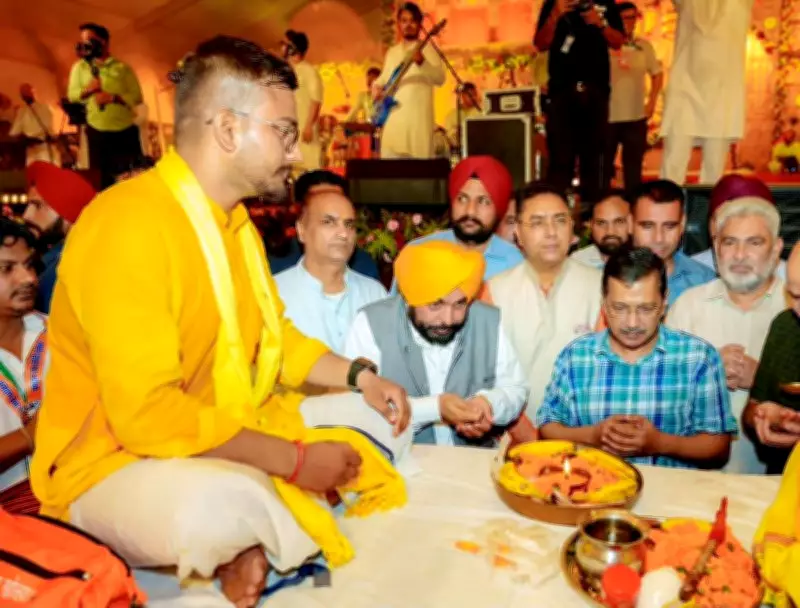
The Aam Aadmi Party (AAP) is recalibrating its electoral strategy in Punjab, shifting focus to consolidate support among Hindu voters and the Gen Z demographic. This move comes after witnessing significant youth-led protests in Delhi and identifying an opening created by the Bharatiya Janata Party’s (BJP) concentrated efforts on Sikh votes. With approximately 38.5% of Punjab's electorate being Hindu, the party has launched a series of events titled “Ek Sham, Shiv Ke Naam” in areas with predominant Hindu populations.
In parallel, AAP has capitalized on the controversy surrounding the NEET paper leak. Chief Minister Bhagwant Singh Mann personally felicitated 882 affected students and highlighted that the government has provided 68,000 jobs to the youth over the past four and a half years. This narrative of employment generation and student support is central to AAP’s campaign.
Youth Protests and Political Mobilization
Just before the Union Education Minister’s resignation, AAP organized protests across several districts including Hoshiarpur, Pathankot, Nawanshahr, and Kapurthala. These demonstrations drew considerable participation from young voters, a critical constituency in Punjab. The state has around 5.5 lakh first-time voters and approximately 46 lakh voters under the age of 29, making youth engagement a key electoral priority.

“We have provided welfare schemes for youth, quality education in public schools and launched skill development initiatives. Both in 2022 and 2027, youths have been at the centre of AAP’s politics and policy making,” said AAP president Aman Arora. He emphasized that the party’s outreach relies heavily on social media and student activism, particularly at Panjab University.
Wooing Hindu Voters Amid BJP's Sikh Focus
Adding to its youth-centric efforts, AAP is intensifying its appeal to Hindu voters. The party recently launched the “Mawan Dhiyan Satkar Yojana”, a scheme that has already registered 71 lakh women for monthly financial assistance. To further attract Hindu support, AAP has organized “bhajan sandhyas” (devotional song evenings) in Hindu-dominated constituencies and included Hindu pilgrimage sites under the Mukh Mantri Teerath Yatra Scheme, which sponsors religious travel.
This approach contrasts with the BJP’s strategy, which has largely focused on Sikh voters. AAP’s inclusive messaging is designed to consolidate a broader religious base. Malvinder Singh Kang, MP from Anandpur Sahib, stated, “We are reaching out to all religions and communities to consolidate our position ahead of the elections.” The party’s multi-pronged strategy aims to secure a decisive advantage in the upcoming state polls.