The unresolved disappearance of hundreds of sacred Sikh scriptures has erupted into a significant political and religious confrontation in Punjab. More than five years after 328 complete copies, known as Birs, of the Guru Granth Sahib were reported missing or destroyed, the issue has become a flashpoint between the ruling Aam Aadmi Party (AAP) and the Shiromani Gurdwara Parbandhak Committee (SGPC).
The Core of the Controversy: Missing Scriptures and Police Action
The controversy first came to light in 2016 when allegations surfaced that Birs were missing from the SGPC's publication department in Amritsar, the sole official publisher of the holy scripture. A subsequent probe in 2020 revealed the scale was larger than initially thought, with 328 Birs untraceable. Another 186 copies were found to have been printed without permission using leftover materials and sold without proper records.
On December 7, 2025, the Punjab Police registered a First Information Report (FIR) in the case. The charges included defiling a place of worship, criminal breach of trust, forgery, and criminal conspiracy. Sixteen individuals were named, including former SGPC chief secretary and chartered accountant Satinder Singh Kohli, who was arrested on January 1, 2026. Kohli is known as a close associate of Shiromani Akali Dal (SAD) leader Sukhbir Singh Badal.
The police action triggered a fierce reaction from the SGPC. Its president, Harjinder Singh Dhami, accused the AAP government of political interference and violating the gurdwara body's administrative jurisdiction. In response, the AAP accused the SGPC of non-cooperation with the investigation.
A Deepening Political Rift: AAP Challenges SGPC's Authority
This clash is not an isolated incident but part of a broader power struggle. Since coming to power in 2022, the Bhagwant Mann-led AAP government has repeatedly challenged the SGPC, an institution long seen as under the influence of the rival Badal family and the SAD.
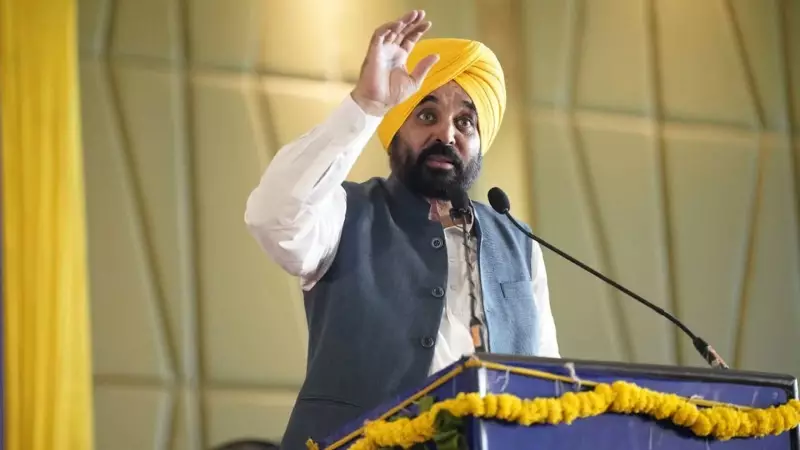
Chief Minister Bhagwant Mann has defended the FIR, stating it was filed after demands from several Sikh bodies. He questioned the SGPC's failure to trace the Birs and accused it of "using the Akal Takht as a shield" to protect those close to their political masters. The government's move is seen as an attempt to hold the SGPC accountable and break the SAD's traditional control over Sikh religious management.
The relationship soured earlier with the 2023 Sikh Gurdwaras (Amendment) Bill for the free telecast of Gurbani, aimed at ending a Badal-linked channel's monopoly. Mann has also criticized the SGPC's financial practices, suggesting that removing donation boxes from gurdwaras would diminish its members' interest.
Broader Implications and Existential Crisis
The current row has far-reaching consequences. For the SAD, maintaining a majority in the SGPC's elected house—whose term has expired—is viewed as key to its political survival. The crisis has also fueled demands from various Sikh groups for long-pending SGPC elections, last held in 2011. Notably, the AAP government initiated a process to register SGPC voters last year.
Analysts suggest the AAP is turning up the heat on this emotive issue at a time when it faces questions over unfulfilled promises of prosecuting SAD leaders in other cases, like the Bargari sacrilege. The move also comes as the SAD shows signs of revival, performing well in recent by-elections and local polls.
The SGPC remains vulnerable on this issue due to its failure to conclusively trace the missing Birs despite directives from the Akal Takht, the highest temporal seat of Sikh authority. The standoff continues, with a Special Investigation Team conducting raids and the religious body resisting police scrutiny, setting the stage for a prolonged political and legal battle in Punjab.