

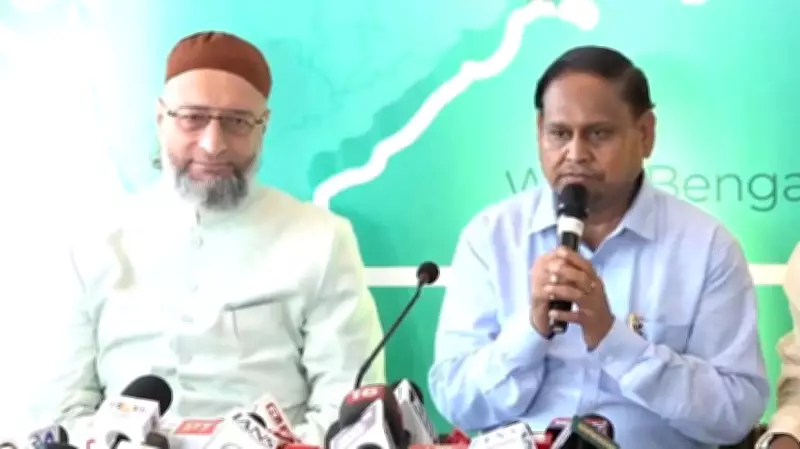
AIMIM Severs Alliance with Indian Secular Front Ahead of West Bengal 2026 Assembly Elections
In a significant political development, the All India Majlis-e-Ittehadul Muslimeen (AIMIM) has officially terminated its alliance with the Indian Secular Front (ISF), led by cleric Abbas Siddiqui, ahead of the crucial West Bengal Assembly elections scheduled for 2026. This move is poised to reshape the electoral landscape in the state, introducing new strategic calculations for major parties.
Background of the Alliance and Its Dissolution
The alliance between AIMIM and ISF was formed in the lead-up to the 2021 West Bengal Assembly elections, with the aim of consolidating Muslim votes and challenging the dominance of the Trinamool Congress (TMC) and the Bharatiya Janata Party (BJP). However, the partnership yielded limited success, as the ISF managed to win only one seat, while AIMIM failed to secure any representation in the state assembly.
Sources indicate that internal disagreements and strategic differences over seat-sharing and campaign approaches have led to the severing of ties. AIMIM's decision reflects a broader reassessment of its political strategy in West Bengal, where it seeks to expand its influence beyond its traditional strongholds.

Implications for the 2026 West Bengal Elections
The dissolution of this alliance is expected to have far-reaching consequences for the upcoming polls. Key implications include:
- Realignment of Muslim Votes: With AIMIM and ISF parting ways, Muslim voters, who constitute a significant portion of the electorate in several districts, may reconsider their political allegiances. This could benefit the TMC, which has historically enjoyed strong support from this community, or create opportunities for the BJP to make inroads.
- Strategic Vacuum: The split leaves a void in the opposition space, potentially allowing other regional parties or independents to gain traction. It also forces both AIMIM and ISF to recalibrate their campaigns independently, which could dilute their impact.
- Impact on National Politics: As AIMIM, led by Asaduddin Owaisi, aims to strengthen its presence across India, this move in West Bengal signals a shift in its approach to state-level politics, possibly focusing on solo contests or new partnerships.
Reactions from Political Stakeholders
While official statements from AIMIM and ISF are awaited, political analysts suggest that the break-up was inevitable due to poor electoral performance and conflicting ideologies. The TMC and BJP are likely to monitor the situation closely, as any fragmentation in the opposition could work to their advantage in a highly competitive state.
In summary, the severing of ties between AIMIM and Kabir's party marks a pivotal moment in West Bengal's political narrative, setting the stage for a dynamic and unpredictable election cycle in 2026. Voters and parties alike will be watching how this development influences campaign strategies and voter behavior in the coming months.






