

Akhilesh Yadav Meets Tea Stall Owner's Son in Uttar Pradesh Amid Harassment Row
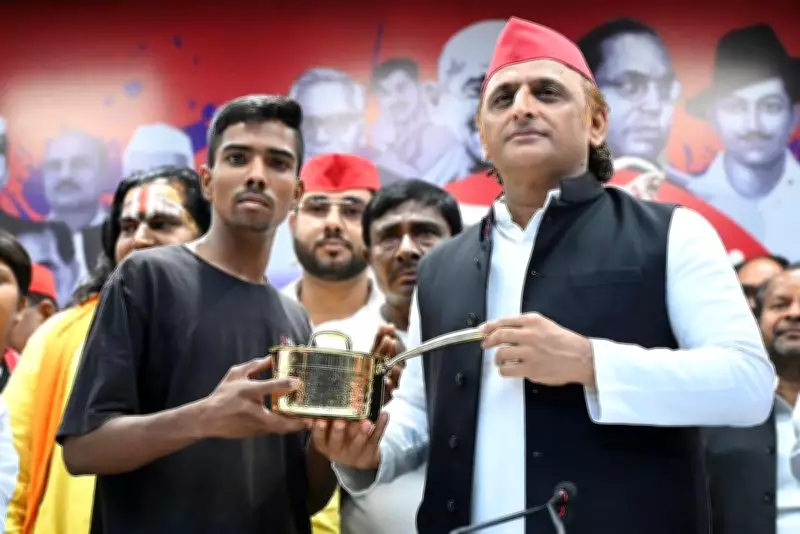
Samajwadi Party (SP) chief Akhilesh Yadav has stepped into a controversy in Uttar Pradesh by meeting the son of a tea stall owner who has alleged harassment by local authorities. The incident, which has quickly escalated into a political flashpoint, saw Yadav expressing solidarity with the family and criticizing the state government's actions.
Details of the Meeting and Allegations
According to reports, the meeting took place after the tea stall owner's son claimed that his family faced undue pressure and intimidation from officials, possibly linked to the stall's operation or location. Akhilesh Yadav, in a show of support, visited the family to hear their grievances firsthand. During the interaction, he condemned what he described as "unjust harassment" and called for a fair investigation into the matter.
The SP leader emphasized the importance of protecting small businesses and livelihoods in the state. He stated that such incidents reflect poorly on the governance under the current administration, urging authorities to address the issue promptly. The tea stall row has drawn attention to broader concerns about the treatment of street vendors and small entrepreneurs in Uttar Pradesh.

Political Reactions and Implications
The move by Akhilesh Yadav has sparked a wave of political reactions. Supporters of the Samajwadi Party have hailed it as a stand for the common people, while critics from the ruling party have dismissed it as a political stunt aimed at gaining traction ahead of upcoming elections. The incident is likely to fuel debates on law and order, as well as economic policies affecting small-scale vendors in the state.
This development comes at a time when Uttar Pradesh is gearing up for significant political events, making such issues particularly sensitive. Analysts suggest that the tea stall row could become a symbol in the opposition's campaign against the state government, highlighting alleged failures in public administration.
Broader Context and Public Response
In recent years, Uttar Pradesh has seen several similar disputes involving small businesses and local authorities, often leading to public outcry. The tea stall incident resonates with many residents who rely on such enterprises for their daily income. Public response has been mixed, with some expressing gratitude for Yadav's intervention and others questioning the timing and motives behind it.
As the story unfolds, authorities are expected to respond to the allegations, potentially leading to investigations or policy reviews. The outcome could impact the political landscape in Uttar Pradesh, influencing voter sentiment in the region.






