Andhra Pradesh Legislative Council Descends Into Chaos Over Religious Display
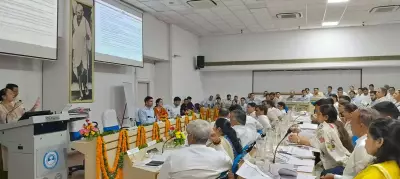
The Andhra Pradesh legislative council transformed into a political battleground for the fifth consecutive day, with opposition YSRCP members igniting a major controversy by bringing photographs of Lord Venkateswara into the House while wearing shoes and chappals. The dramatic scene unfolded as opposition legislators demanded suspension of regular business to debate the ongoing laddu ghee issue that has gripped state politics.
Religious Imagery Sparks Immediate Backlash
Ruling party members reacted with immediate and forceful objection to the display of the deity's photographs inside the legislative chamber. The YSRCP members had previously submitted notice for an adjournment motion to discuss the Special Investigation Team (SIT) report concerning the laddu ghee case and alleged connections between Heritage and Indapur dairy operations.
Council chairman K Moshenu Raju firmly rejected both motions presented by the opposition, prompting YSRCP members to raise loud slogans while prominently displaying the religious photographs. This action triggered an immediate and heated response from the treasury benches.

Minister Accuses Opposition of Blasphemy
Legislative affairs minister Payyavula Keshav took strong exception to the opposition's actions, urgently appealing to the chairman to restrain YSRCP members from what he described as "bringing God into politics." The minister asserted that the opposition had gravely insulted millions of devotees by handling the sacred photographs while wearing footwear, a practice considered disrespectful in Hindu tradition.
With neither political faction showing any willingness to compromise or retreat from their positions, the chairman was compelled to adjourn the House proceedings for ten minutes in an attempt to restore order and decorum.
Proceedings Collapse After Failed Reconciliation
When the legislative session resumed after the brief recess, identical scenes of confrontation and disruption immediately reemerged. Opposition members continued their protest with religious imagery, while ruling party legislators maintained their vehement objections. Faced with this complete breakdown of parliamentary decorum, the chairman had no alternative but to adjourn the House for the remainder of the day.
Formal Complaint Lodged Against Opposition
Following the adjournment, ruling party members submitted a formal written complaint to the council chairman demanding disciplinary action against YSRCP legislators for carrying deity photographs while wearing footwear inside the legislative chamber. Minister Keshav escalated the accusations further, alleging that opposition members had compounded their disrespect by throwing the sacred photographs onto the floor during the proceedings.
"The YSRCP and its leadership demonstrate no belief in divine principles and must offer a sincere apology to the Hindu community," Keshav declared emphatically during his post-adjournment remarks to media representatives.
Opposition Leader Defends Protest Strategy
Meanwhile, Leader of Opposition Botcha Satyanarayana countered the ruling coalition's accusations by asserting that the government was deliberately evading substantive debate on the critical ghee controversy. The opposition leader maintained that YSRCP would persist in demanding comprehensive discussion regarding the alleged connections between Heritage and Indapur dairy enterprises.
"The state government stands completely exposed on this matter and is desperately attempting to escape public accountability through procedural maneuvers," Satyanarayana stated, defending his party's protest tactics as necessary to highlight what he characterized as government corruption and evasion.
The dramatic confrontation represents the latest escalation in a prolonged political standoff that has paralyzed legislative proceedings in Andhra Pradesh, with both major political formations hardening their positions on matters intersecting religious sentiment, governance accountability, and parliamentary procedure.