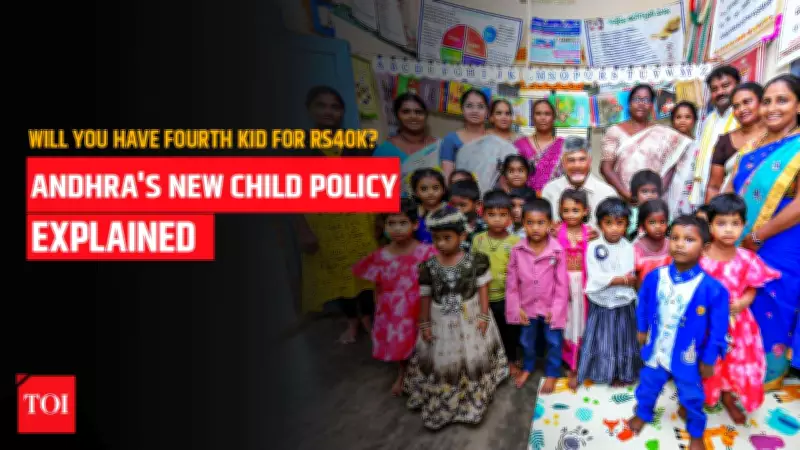
Andhra Pradesh chief minister Chandrababu Naidu has urged people of the state to have larger families. He has proposed Rs 25,000 for a second child, Rs 30,000 for a third along with free education till 18 years of age, and Rs 40,000 for a fourth. He also suggested opening of fertility clinics. This has sparked a debate, not merely about demographics, but also about gender and women safety.
The announcement comes amid concerns over declining birth rates in the state. However, critics argue that financial incentives alone cannot address deeper issues such as women's health, safety, and economic independence. Many question whether the state has adequate infrastructure to support larger families, including healthcare, education, and employment opportunities.
Gender Implications
Women's rights activists have raised alarms about the potential impact on gender equality. They fear that such policies may reinforce traditional roles and increase pressure on women to bear more children, often at the expense of their careers and well-being. The lack of emphasis on men's participation in childcare is also a concern.

Economic Burden
Economists point out that the proposed incentives may not cover the actual cost of raising a child. The long-term financial burden on families could outweigh the short-term benefits. Moreover, the state's fiscal capacity to sustain such programs remains uncertain.
While Naidu's plan aims to boost the population, it has ignited a necessary conversation about who truly bears the cost of having more children. The debate continues as stakeholders call for a more comprehensive approach that prioritizes women's rights and social infrastructure.