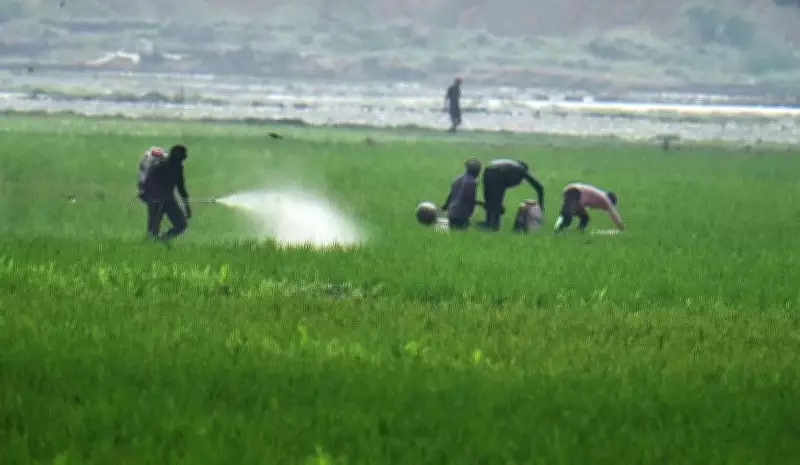
Vijayawada: Facing the prospect of an erratic monsoon under the influence of El Niño, the Andhra Pradesh government plans to expand pulses and oilseed cultivation across the state while discouraging large-scale paddy cultivation in water-stressed regions. The move is aimed at conserving water, safeguarding farmers’ incomes, and reducing the state’s dependence on imported pulses. The government plans to achieve this by diverting at least 1.5 lakh acres in 11 districts for pulses and oilseed cultivation.
Action Plan Under National Food Security Mission
The agriculture department has prepared a comprehensive action plan under the National Food Security Mission (NFSM) covering 1.85 lakh acres during the upcoming kharif season. The programme will be implemented across 15 districts, mostly covering upland areas. The department has identified about 34,000 acres in Nandyal district and 77,000 acres in East Godavari district for black gram cultivation, while the remaining area will be used to grow green gram, Bengal gram, and other pulses.
Another 1.5 lakh acres in the state’s paddy-intensive 11 districts have also been identified for diversion to pulses cultivation. The district collectors have been asked to raise awareness among farmers to switch to redgram and oilseed cultivation in areas covered under canal irrigation.

Expert Recommendations and Weather Concerns
Acharya NG Ranga Agricultural University has already made its recommendations for certain seed varieties that would require less water and ensure assured production. "The shift in cultivation patterns has been prompted by weather forecasts indicating possible monsoon deficiencies and uneven rainfall distribution. In such a scenario, paddy, which is a highly water-intensive crop, could place enormous pressure on reservoirs and groundwater resources. Pulses, on the other hand, require far less water and are considered better suited for uncertain weather conditions," said special chief secretary (agriculture) B Rajasekhar.
District-Wise Diversion and Oilseed Mission
While 55,000 acres in Nandyal, 26,000 acres in Palnadu, and another 24,000 acres in Eluru districts, which have canal irrigation, will be diverted for pulses cultivation, about 75,000 acres will be brought under the oilseed and edible oil mission programme. "We will procure 100% pulses harvest from farmers who switch from paddy to pulses," said agriculture minister K Atchnnaidu.