Border Village Pondugula Cut Off From Essential Bus Connectivity
Pondugula, a small settlement situated on the Andhra Pradesh-Telangana border within Palnadu district, finds itself in a paradoxical situation. While it was once the focal point of significant political activity, today the village is struggling with a fundamental infrastructure deficit: the complete absence of state-run bus services.
Stree Shakti Scheme Benefits Remain Out of Reach
Despite the Andhra Pradesh State Road Transport Corporation (APSRTC) implementing the Stree Shakti scheme, which offers free bus travel for women across its network, this welfare initiative has failed to reach Pondugula's residents. More than a year after the program's launch, the village's approximately 1,000 women, who primarily work as daily wage laborers and small-scale vendors, cannot access this benefit.
The core issue is straightforward: APSRTC does not operate its Palle Velugu bus services through Pondugula. Furthermore, express services bypass the village entirely, refusing to establish halts at this border community. This transportation void has transformed routine travel into an expensive and burdensome ordeal for the village's 3,000 inhabitants.

Daily Dependence on Neighboring Towns Creates Hardship
Residents are forced to depend heavily on nearby urban centers such as Dachepalli, Piduguralla, Gurazala, and Macharla for critical needs including healthcare services, educational facilities, and essential supplies. The lack of reliable public transport significantly increases both the time and financial cost of accessing these basic amenities.
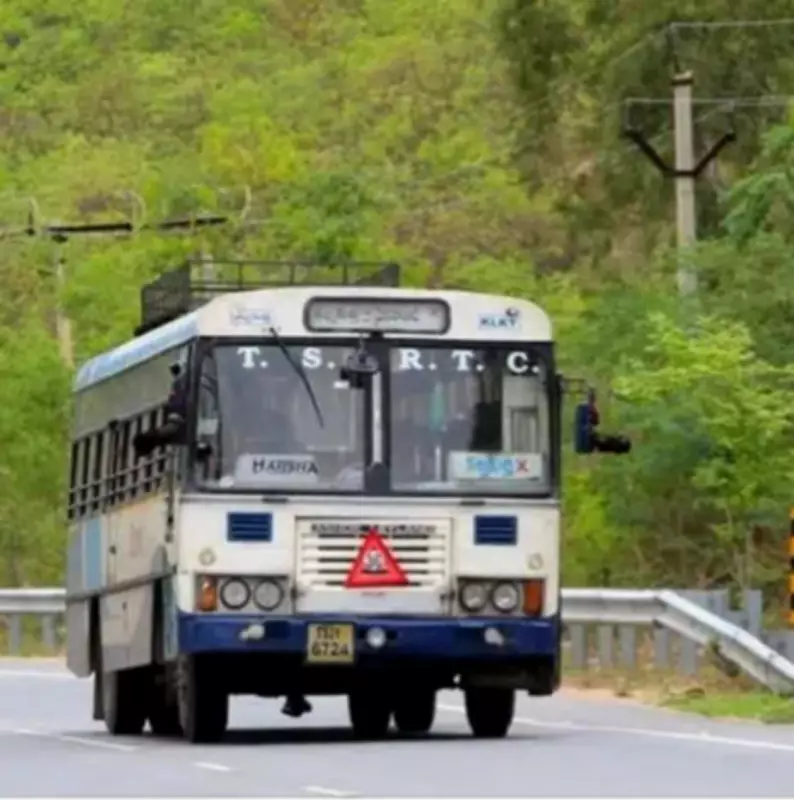
Interestingly, Telangana State Road Transport Corporation (TSRTC) buses operate regular routes from Miryalaguda to Dachepalli, passing through border villages including Gamalapadu, Ramapuram, Srinagar, and Pondugula. While these services provide some connectivity lifeline, women from Andhra Pradesh are not eligible for free travel on TSRTC buses, effectively excluding them from their own state's welfare provisions.
Political Appeals and Community Frustration Mount
Local Telugu Desam Party leader Shaik Rehman has confirmed that the area's Member of Legislative Assembly, Yarapathineni Srinivasa Rao, has already brought this pressing issue to the attention of relevant authorities. There remains hope that a resolution might be forthcoming through official channels.
Expressing widespread community frustration, daily wage laborer Narla Rama Rao revealed that despite multiple formal representations to APSRTC officials, there has been no positive response or concrete action. "We are being systematically ignored when it comes to even the most basic facilities like bus services," he stated emphatically.
Self-help group member Venkata Lakshmi echoed these concerns, highlighting how the absence of free bus access has compounded financial pressures on village women. "We travel frequently for work obligations and household necessities. Without APSRTC buses operating in our village, we are compelled to spend substantial portions of our daily earnings on alternative transportation," she explained.
The situation in Pondugula underscores a critical gap between welfare policy formulation and practical implementation at the grassroots level. As political attention focuses on the village's plight, residents continue to navigate daily life without the public transportation infrastructure that neighboring communities take for granted.