

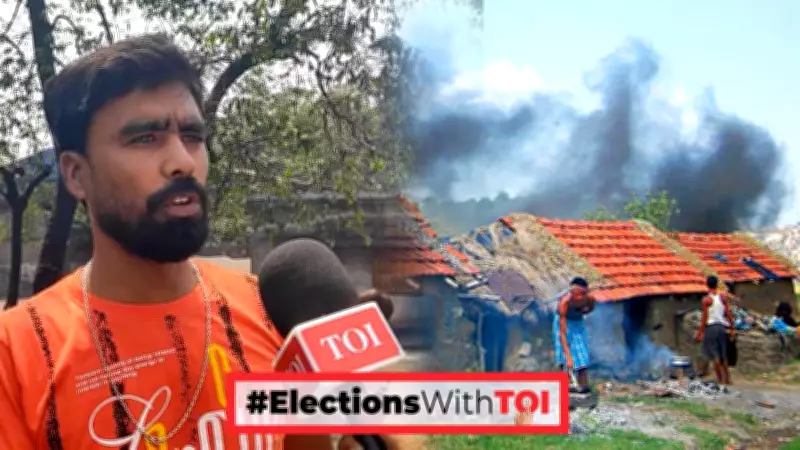
Asansol Election Battle: BJP and TMC Clash Over Pollution, Water, and Development
In the industrial hub of Asansol, voters are weighing critical issues as the election approaches, with a fierce battle unfolding between the Bharatiya Janata Party (BJP) and the All India Trinamool Congress (TMC). The contest centers on balancing development promises against long-standing civic problems that continue to plague the region.
Key Issues Dominating the Polls
While infrastructure improvements have been noted, unresolved concerns are taking center stage in voter discussions. Pollution remains a major grievance, with residents citing air and water quality issues linked to industrial activities. Additionally, water shortages persist in many areas, affecting daily life and economic activities. The declining coal economy adds to the woes, as traditional industries face challenges, impacting employment and local livelihoods.
Candidates' Promises and Public Sentiment
Candidates from both parties are locked in tight contests, each promising growth and solutions to these pressing problems. The BJP emphasizes national development schemes and economic revitalization, while the TMC highlights regional governance and immediate civic fixes. Public sentiment is deeply divided: some voters express trust in ongoing development efforts, pointing to new roads and facilities, while others voice frustration over the slow resolution of basic issues like clean water and pollution control.

Broader Political Context
This election in Asansol is part of a larger political struggle in West Bengal, where the BJP and TMC are vying for dominance. The outcome could signal voter priorities in industrial regions, balancing economic progress with environmental and social welfare. As polling day nears, the focus remains on whether promises of development will outweigh the tangible impacts of pollution and resource shortages in shaping voter decisions.






