

Assam Assembly Elections 2026: Key Factors That Could Influence Voter Sentiment
As the 2026 Assam Assembly elections approach, political analysts are closely examining several critical factors that are expected to shape the electoral landscape. The spotlight is particularly on the potential impact of the Zubeen factor, recent delimitation changes, and the BJP's sops for tea garden workers, which may collectively influence voter decisions across the state.
The Zubeen Garg Influence in Assam Politics
The involvement of popular Assamese singer and cultural icon Zubeen Garg in the political arena has emerged as a significant variable. Known for his massive fan following and social influence, Zubeen's potential endorsement or active participation could sway voters, especially among the youth and cultural enthusiasts. His stance on key issues and alignment with political parties will be closely monitored, as it may translate into electoral support in various constituencies.
Delimitation and Its Electoral Implications
The delimitation process, which involves redrawing constituency boundaries, is set to play a pivotal role in the 2026 elections. This exercise could alter the demographic and political dynamics in many regions, potentially benefiting certain parties while posing challenges for others. Voters in affected areas may reassess their choices based on how these changes impact local representation and development priorities.

BJP's Sops for Tea Garden Workers: A Strategic Move
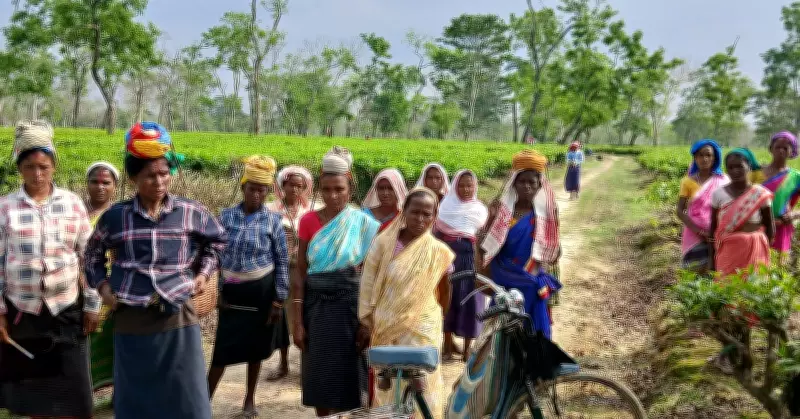
The Bharatiya Janata Party (BJP) has announced several sops and welfare measures aimed at tea garden workers, a crucial voter bloc in Assam. These initiatives include:
- Enhanced financial assistance and social security schemes
- Improved healthcare and educational facilities in tea garden areas
- Infrastructure development projects to boost livelihoods
These sops are designed to consolidate support among tea garden communities, which have historically been influential in determining election outcomes in several constituencies.
Jorhat and Titabor: Key Constituencies to Watch
Political observers are particularly focused on the Jorhat and Titabor constituencies in Upper Assam. These neighboring seats will serve as critical indicators of whether voters prioritize candidates over parties, a trend that has historical significance in the region.
Titabor has displayed a strong allegiance to the Gogoi family since 2001, making it a bastion of traditional political loyalty. The upcoming elections will test whether this pattern continues or if new factors like delimitation and candidate appeal lead to a shift.
In Jorhat, the electoral battle is expected to be intense, with parties leveraging local issues, candidate profiles, and broader state-level strategies. The outcome here may reflect broader voter sentiments in Upper Assam, influencing political narratives across the state.
Historical Context and Future Projections
The 2026 Assam Assembly elections are poised to be a complex interplay of local loyalties, demographic changes, and strategic political moves. Factors such as:
- The enduring influence of political families like the Gogois
- The BJP's outreach to key voter groups like tea garden workers
- The potential ripple effects of Zubeen Garg's involvement
- The logistical and political adjustments due to delimitation
will all contribute to shaping the final results. As campaigning intensifies, these elements will be critical in determining whether voters in constituencies like Jorhat and Titabor repeat history by prioritizing candidates over parties or embrace new political alignments.






