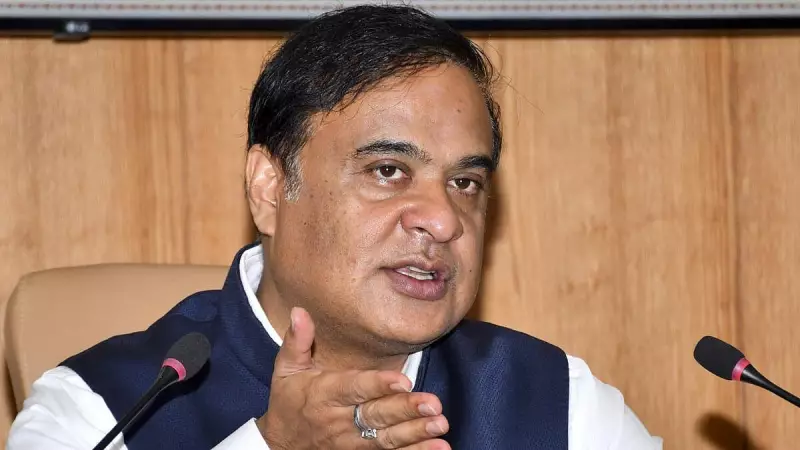
Assam Chief Minister Himanta Biswa Sarma has made a significant projection regarding the state's demographic composition, stating that the population of 'Bangladeshi Muslims' is set to reach a substantial 40% mark in the upcoming national Census. This statement, made on January 8, 2026, has brought the long-standing issue of immigration and its impact on Assam's socio-political landscape back into sharp focus.
Directive for Electoral Roll Scrutiny
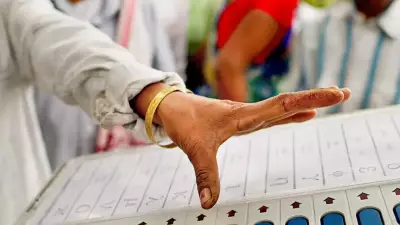
In a related move that underscores the political sensitivity of the issue, CM Sarma revealed that specific instructions have been issued to the ruling party's ground-level workers. All Bharatiya Janata Party (BJP) Members of Legislative Assembly (MLAs) and booth-level agents (BLAs) have been directed to identify and flag "any doubtful person" during the ongoing Special Revision of the electoral rolls in the state. This process is a critical exercise to update the voter list, and the directive aims to ensure its integrity by screening for potentially illegal immigrants.
The Context of the Demographic Shift
The Chief Minister's projection points to a continuing demographic trend that has been a central theme in Assam's politics for decades. The concern over migration from Bangladesh, particularly of Muslims, has shaped electoral agendas, led to major movements like the Assam Agitation, and resulted in policy initiatives such as the National Register of Citizens (NRC) and the Citizenship (Amendment) Act. Sarma's statement suggests that the state apparatus remains vigilant about population changes that could alter electoral dynamics and resource allocation.
The timing of this announcement, coinciding with the Special Revision of electoral rolls, is particularly noteworthy. It links the demographic forecast directly to the immediate political process of voter list purification. The instruction to BJP cadres formalizes a grassroots-level verification mechanism, placing the responsibility of initial scrutiny on party workers.
Implications and Political Repercussions
This development is likely to have wide-ranging implications. Firstly, it reaffirms the BJP-led government's commitment to addressing the issue of illegal immigration, a core promise to its support base in Assam. Secondly, it could intensify debates on citizenship, identity, and belonging in the ethnically diverse state. Political analysts suggest that such statements and the accompanying electoral roll drive could galvanize the party's core voters while drawing criticism from opposition parties and rights groups who may view it as a tactic of communal profiling or voter suppression.
The projection of the population touching 40% also sets a benchmark for future political discourse, potentially influencing policy decisions on matters ranging from land rights to cultural preservation. As the state undergoes the dual processes of electoral roll revision and prepares for the next Census, the figures and findings will be scrutinized intensely, making demography a key battleground in Assam's political future.