Assam Opposition Coalition Demands Action Against Bulk Voter Objections
With the final electoral roll publication date of February 10 approaching and state Assembly elections looming, opposition parties in Assam have formed a united front to address concerns about legitimate voters being excluded from the electoral process. Led by the Congress, this coalition includes Raijor Dal, CPI(M), Assam Jatiya Parishad, CPI, and CPI(ML), all expressing alarm about the potential disenfranchisement of genuine voters.
Memorandum to Chief Electoral Officer
On Sunday, a delegation representing these opposition parties submitted a formal memorandum to the Chief Electoral Officer of Assam. The document highlights serious concerns about the ongoing Special Revision process, particularly regarding bulk objections filed against existing voters. The memorandum specifically requests that bulk objections be summarily rejected without subjecting voters to unnecessary hearings or harassment.
The opposition parties emphasized that there is a significant likelihood that large numbers of genuine voters could be excluded from the final electoral roll due to what they describe as arbitrary and illegal actions during the revision process. They have called for immediate directions to District Election Officers and Electoral Registration Officers to address this issue promptly.

Background of the Special Revision Process
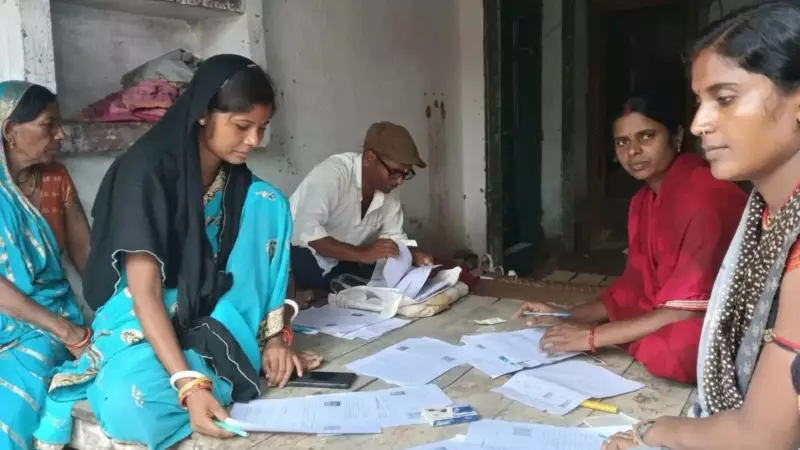
Assam is currently undergoing a Special Revision of electoral rolls ahead of this year's Assembly elections. This modified version of the Summary Revision process has involved house-to-house visits by Booth Level Officers to physically verify voters in existing lists. Through this exercise, officials have identified:
- 4,78,992 deceased electors for deletion
- 5,23,680 voters who have shifted locations
- 53,619 duplicate entries requiring correction
The claims and objections filing period concluded on January 22, during which individuals could object to someone's inclusion in the electoral roll based on grounds such as death or relocation from the area. These objections must be resolved by February 2, with the final list scheduled for publication on February 10.
Concerns About False Objections
Reports have emerged about objection complaints being filed against multiple existing voters by common objectors, often falsely claiming that these individuals have died, moved away permanently, or are absent from the area. These bulk objections have resulted in numerous people being summoned for public hearings during the Special Revision process.
The opposition memorandum specifically addresses this issue, requesting that reasonable time be granted for hearings only in cases of genuine objections filed against voters already included in the draft electoral roll. They have also demanded action against those who have filed what they term illegal and unlawful bulk objections.
Political Context and Chief Minister's Remarks
The memorandum references remarks made by Assam Chief Minister Himanta Biswa Sarma on Saturday, when questioned by reporters about the filing of bulk objections. Sarma reportedly stated that notices had been served to 'Miyas'—a term sometimes used pejoratively for Bengali-origin Muslims—to keep them under pressure.
In response, the opposition parties have characterized such statements as arbitrary, mala fide, and wholly unconstitutional, arguing that they reveal a predetermined intent to target a specific community and undermine the neutrality of the electoral process. The memorandum calls on the Chief Electoral Officer to restrain all officials, including the Chief Minister, from interfering with the Special Revision exercise by deleting names of genuine voters.
Broader Implications for Democratic Process
This united opposition front represents a significant development in Assam's political landscape as election preparations intensify. The concerns raised about bulk objections touch on fundamental democratic principles, including the right of legitimate voters to participate in elections without facing unnecessary barriers or targeted exclusion.

As the February 10 deadline for final electoral roll publication approaches, the response from election authorities to these concerns will be closely watched by political observers and civil society organizations alike. The outcome could have substantial implications for voter participation and the perceived fairness of the upcoming Assembly elections in Assam.