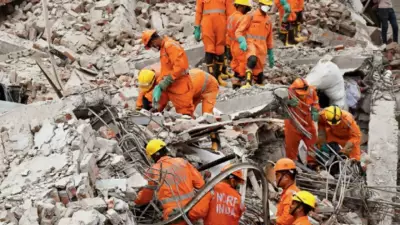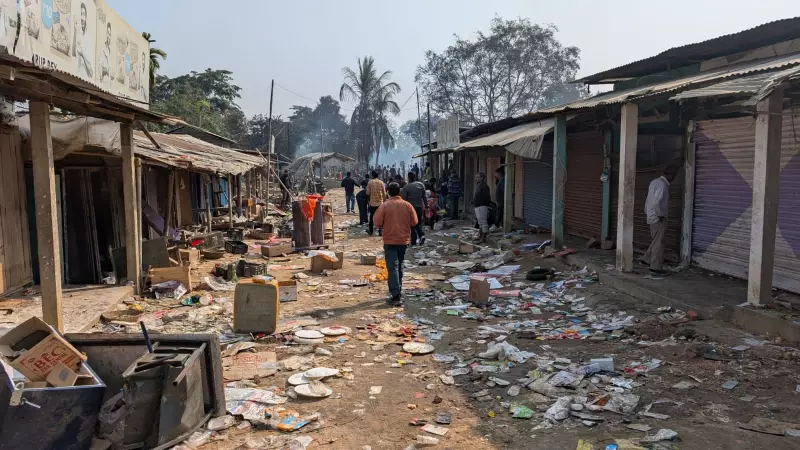
The final days of 2025 witnessed Assam descending into a familiar cycle of fear and violence, with the central district of West Karbi Anglong becoming the latest flashpoint. The conflict, which resulted in one death and left nearly 180 people injured, stems from a protracted dispute over land rights and has reignited deep-seated anxieties about identity and demography in the state.
The Spark: Encroachment Allegations on Protected Land
The roots of the current crisis trace back to early 2024. The core issue involves the alleged illegal settlement of Bihari families and a small number of Bengali Hindu families on protected government land. These areas, known as Professional Grazing Reserve (PGR) and Village Grazing Reserve (VGR), are designated for open livestock grazing by both indigenous communities and older settlers. Crucially, no one holds legal rights to build permanent settlements on these reserve lands.
Karbi nationalist organizations raised the alarm, accusing the settlers of large-scale encroachment and constructing permanent homes. They criticized the Karbi Anglong Autonomous Council (KAAC) and the Assam government for inaction, arguing that such encroachments undermined the constitutional safeguards provided to Sixth Schedule areas like Karbi Anglong.

From Courtrooms to Street Confrontations
Tensions escalated dramatically in January 2024 when a group representing the Bihari settlers, the Rachanatmak Nonia Sangyukt Sangh, petitioned the President of India, seeking formal land rights over the disputed PGR and VGR plots. This move was seen as provocative by Karbi groups.
In response, the KAAC initiated eviction proceedings. However, over 300 Bihari migrants sought relief from the Gauhati High Court, which promptly stayed the eviction drive. Dissatisfied with this court order and perceiving apathy from authorities, Karbi organization leaders launched a full-scale agitation, including a fast-unto-death protest.
The situation turned violent on December 23, 2025, following police intervention in the protest a day earlier. A direct confrontation erupted between Karbi protesters and Bihari-Bengali Hindu settlers. Reports indicate slogans were raised and houses were set on fire. Police opened fire, killing a Karbi demonstrator, Linus Phangcho. In retaliatory violence, a specially-abled Bengali Hindu man, Suruj Dey, was burned alive when agitators torched his house. The violence was so intense that even the state's Director General of Police faced stone-pelting.
Old Faultlines and New Fears
This incident is not an isolated event but taps into a historical undercurrent of fear in Assam. For generations, many Assamese and indigenous communities have believed that migration from across the border, first from East Pakistan and later Bangladesh, has eroded their land rights, demographic balance, and cultural identity.
The Karbi conundrum, however, has highlighted a newer dimension of this strife. It has moved beyond the traditional Bengali-Assamese or Hindu-Muslim divides, bringing to the fore tensions between indigenous tribes like the Karbis and settler communities from other Indian states like Bihar. The visible consolidation of various indigenous groups in the wake of the Karbi unrest signals a dangerous spike in the existing paranoia about cultural and political marginalization.
The district of Undivided Karbi Anglong, which constitutes over 13% of Assam's landmass but only 3.7% of its population, with a density of just 63 persons per square km, now stands as a stark symbol of how land disputes can ignite broader ethnic conflicts, threatening the fragile social fabric of the region.