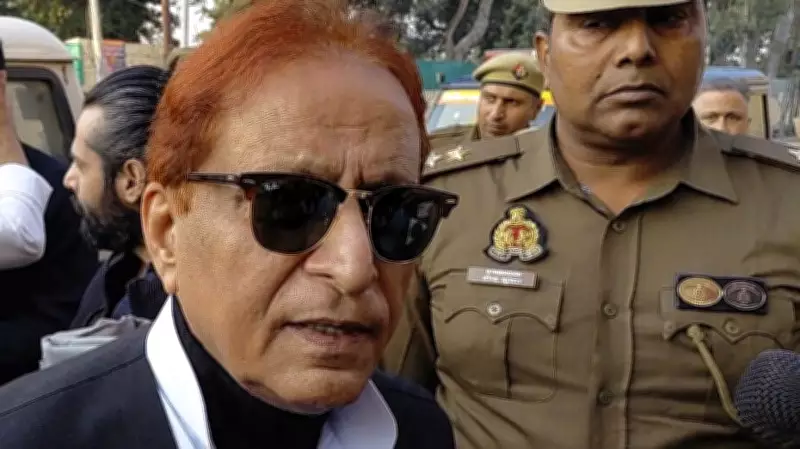
Senior Samajwadi Party leader Azam Khan has been sentenced to two years in jail by a court in Uttar Pradesh for his controversial 'polish shoes' remark made during a road show in the district. The remark, which targeted the District Magistrate and other officials, was deemed offensive and led to legal action against the veteran politician.
The Controversial Remark
While addressing a road show in the district, Khan had stated, 'These (DM and the likes) are mere hirelings ... don't be afraid of them ... after the elections I will make them polish shoes.' The statement was widely criticized and prompted a criminal case against Khan under relevant sections of the Indian Penal Code for using abusive language and threatening public servants.
Legal Proceedings and Verdict
The case was filed shortly after the remark, and after a prolonged legal process, the court found Khan guilty of making derogatory and intimidating statements. The judge sentenced him to two years of imprisonment, along with a fine. Khan, who is a prominent figure in Uttar Pradesh politics, has the option to appeal the verdict in a higher court.

The conviction comes at a time when Khan is already facing multiple legal cases, including those related to alleged land grabbing and hate speech. This latest sentence adds to his legal troubles and could have implications for his political career.
Political Reactions
The verdict has drawn mixed reactions from the political spectrum. While rival parties, particularly the ruling Bharatiya Janata Party, have welcomed the decision, calling it a lesson for those who use abusive language against officials, the Samajwadi Party has expressed disappointment and vowed to support Khan legally. Party workers have termed the verdict as politically motivated.
Azam Khan, a former minister in the Uttar Pradesh government, has been a vocal critic of the current administration. His supporters argue that the legal cases against him are an attempt to silence opposition voices. However, critics maintain that no one is above the law and that public figures must be held accountable for their statements.
Broader Implications
This case highlights the increasing scrutiny of political speech in India, especially when it targets government officials. Legal experts note that while freedom of speech is a fundamental right, it comes with reasonable restrictions, particularly when it involves threats or intimidation. The judgment reinforces the principle that public servants deserve respect and protection from derogatory remarks.
As the legal process continues, the focus remains on whether Khan will be granted bail pending appeal and how this will affect his political future. The Samajwadi Party, which relies on his influence in western Uttar Pradesh, may face challenges in the upcoming elections if Khan is unable to campaign actively.