
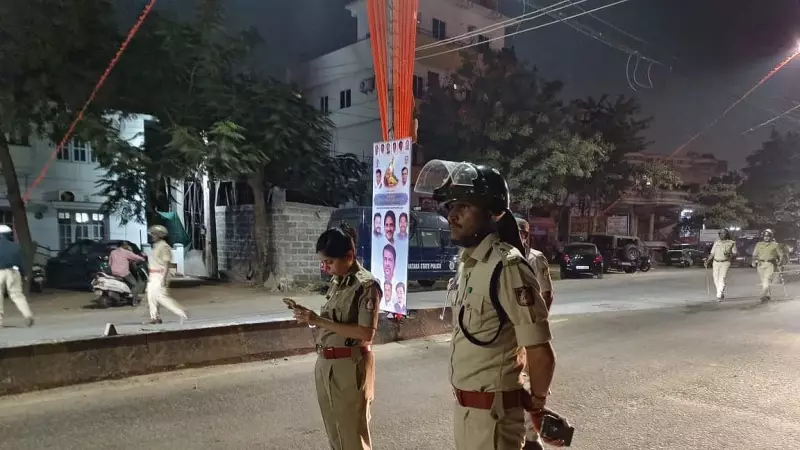
A recent outbreak of violence in the district of Ballari has sent shockwaves through the region, raising alarming questions about the state of law and order and the apparent resurgence of a dangerous gun culture. The incident, which involved a violent clash between groups, serves as a stark warning that past troubles many believed were buried could be resurfacing.
A Flashpoint of Violence and Its Implications
The clash, reported on January 5, 2026, is not merely an isolated street fight. It is a symptom of deeper systemic issues plaguing the local administration and police force. Analysts and observers view this event as a significant relapse, indicating that the mechanisms meant to prevent such violence have failed. The ease with which the confrontation escalated suggests a troubling normalization of armed aggression in settling disputes.
Systemic Failures in Policing and Governance
At the heart of this incident lies a critical failure in policing. The authorities were seemingly unable to anticipate or contain the violence, which points to gaps in intelligence gathering and a lack of proactive measures. This lapse has allowed an environment where individuals or groups feel emboldened to take the law into their own hands. The incident underscores an urgent need for:
- Strengthening police intelligence networks to pre-empt such clashes.
- Swift and decisive action against all perpetrators to restore deterrence.
- Addressing the root socio-economic or political tensions that fuel such conflicts.
The Menace of a Thriving Gun Culture
Perhaps the most dangerous aspect highlighted by the Ballari clash is the apparent thriving of a gun culture. The use of firearms or other weapons in public disputes represents a severe threat to civil society. If left unchecked, this culture can:
- Erode public trust in the state's ability to provide security.
- Lead to a cycle of revenge and counter-violence.
- Deter investment and normal life, impacting the district's development.
The state government and local administration must not allow this trend to take root. A concerted crackdown on illegal arms and a zero-tolerance policy for public violence are non-negotiable steps forward.
In conclusion, the violent events in Ballari are a clear wake-up call. They represent a dangerous backslide that demands immediate and firm intervention. The failures in policing must be addressed with accountability and reform, while the emerging gun culture requires a forceful and sustained response to prevent Ballari, and regions like it, from descending into a state of lawlessness.