

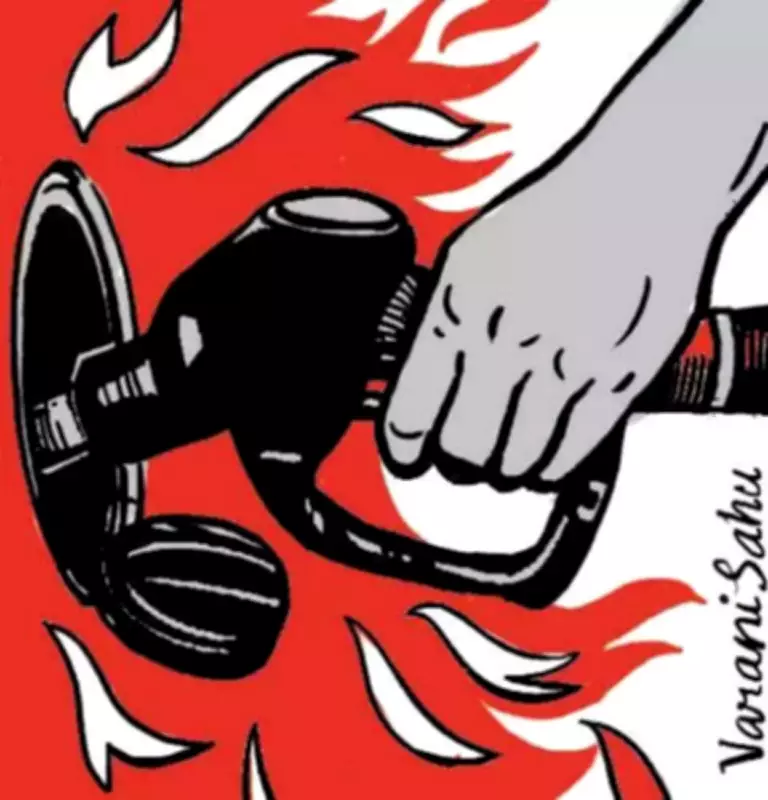
Belagavi Fuel Panic Subsides as Petrol Queues Normalize
The fuel crisis that gripped Belagavi city and district over the past few days has shown significant improvement. Long queues at petrol stations, which had become a common sight due to panic buying triggered by geopolitical tensions, have largely disappeared as of Thursday. This normalization comes after the district administration intervened to clarify that there is no actual shortage of fuel in the region.
Petrol Sales Spike and Subsequent Stabilization
Belagavi boasts fifty petrol stations within the city limits and more than 560 across the entire district. Under normal circumstances, pumps operated by major oil companies such as HPCL, BPCL, and IOCL collectively sell approximately 1.3 lakh litres of petrol daily. However, on Tuesday, fueled by rampant rumors and public anxiety linked to international conflicts, sales skyrocketed to about 2.8 lakh litres in a single day. This unprecedented surge created widespread panic and led to desperate scrambles at fuel outlets.
Following official reassurances from local authorities, the situation began to stabilize. Traffic congestion around petrol stations was effectively managed starting Wednesday evening. Observations on both Wednesday and Thursday confirmed a marked decrease in customer numbers at most locations, indicating a return to routine operations.

Ongoing LPG Cylinder Crisis Causes Citizen Distress
While the petrol situation has improved, residents of Belagavi continue to face severe hardships due to delays in the supply of domestic LPG cylinders. The district administration has mandated that cylinder bookings will only be accepted 25 days after a previous booking, exacerbating the struggle for many households.
Rukmini, a housewife from Shahu Nagar, highlighted the plight of larger families, noting that the 25-day gap often translates to receiving a cylinder only once every 30 to 35 days. Compounding the issue, technical problems such as server issues hinder the booking process itself, and even successful bookings result in deliveries delayed by a week or two.
Criticism has been directed at the district administration for allegedly failing to adequately monitor the agencies responsible for LPG cylinder distribution. In response, Mallikarjun N, deputy director of the food and civil supplies department, stated that these agencies have been instructed to operate in a people-friendly manner. He assured that any deficiencies would be addressed promptly, and citizen complaints would be taken seriously with appropriate action initiated.
The contrast between the resolved petrol panic and the persistent LPG cylinder shortage underscores the complex challenges in managing essential commodity supplies during times of public uncertainty.






