

Belagavi District Braces for Severe Drinking Water Crisis as Summer Intensifies
With temperatures climbing steadily across the region, reservoir and groundwater levels in Belagavi district are experiencing a dramatic and concerning decline. This rapid depletion has sparked serious fears of an impending drinking water crisis that could impact urban and rural communities in the coming weeks.
Widespread Water Scarcity Threatens Villages and City
According to sources within the district administration, more than 126 villages across Belagavi are projected to face significant water shortages in the near future. Alarmingly, 32 villages have already been classified as severely water-scarce areas. In these critically affected locations, drinking water is currently being supplied through private borewells as an urgent emergency measure to meet basic needs.
Belagavi district is traditionally rich in water resources, hosting several important water bodies. These include the mighty Krishna River and its vital tributaries: the Malaprabha, Ghataprabha, Vedaganga, Dudhaganga, Hiranyakeshi, and Markandeya rivers. However, as the summer season intensifies, water levels in these rivers, along with reservoirs, open wells, and borewells, have plummeted sharply.

Critical Reservoir Levels and Groundwater Depletion
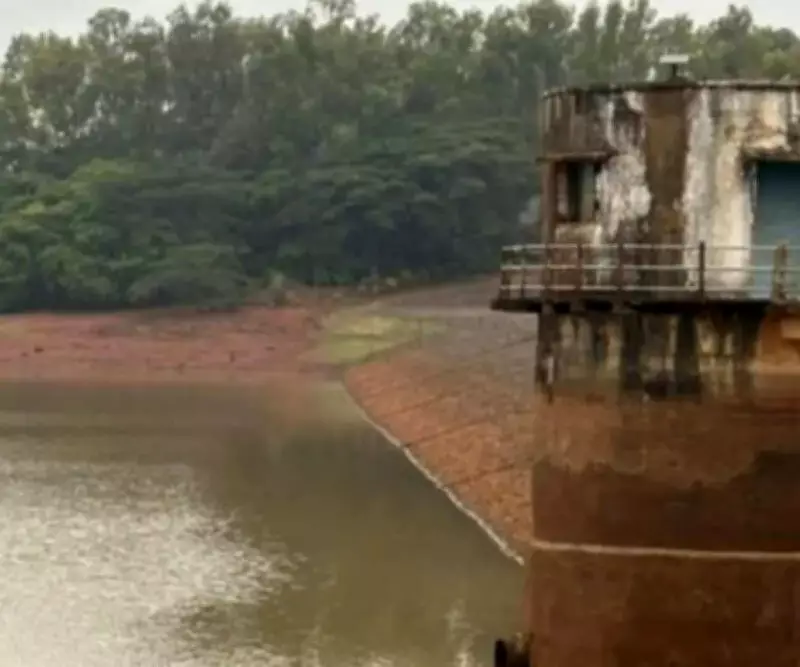
The falling groundwater table has directly resulted in drinking water shortages in numerous towns and villages, including certain parts of Belagavi city itself. Water levels in the Hidkal and Rakaskoppa reservoirs, which serve as the primary sources of drinking water for Belagavi city, have also seen significant reductions.
Officials have highlighted that siltation has substantially reduced the storage capacity of the Hidkal reservoir. It currently holds approximately 20 TMC feet of water, a volume deemed sufficient for only about 45 days of supply. High evaporation rates coupled with rapid depletion have escalated concerns over potential drinking water shortages for both the human population and livestock throughout the district.
Signs of acute groundwater depletion are now visibly evident even in urban areas. In response to this growing crisis, the Belagavi City Corporation (BCC) has allocated Rs 25 lakh in the current fiscal year's budget specifically to improve the drinking water supply infrastructure and to develop open wells within the city limits.
Detailed plans have been formulated to strengthen alternative water sources. This includes initiatives to clean and revive existing wells and to drill new borewells in locations where they are deemed necessary to bolster the water supply.
Resident Concerns and Infrastructure Challenges
Local residents have voiced mounting concerns regarding both water quality and persistent infrastructure issues. Santosh, a resident of Shahu Nagar, alleged that damaged drainage lines in certain areas are actively polluting the groundwater. He emphasized that without the development of sustainable water sources and the effective implementation of rainwater harvesting systems, the water crisis cannot be resolved permanently.
Meanwhile, villagers in rural areas have complained that several water taps installed under the central government's Jal Jeevan Mission are not functioning properly. There are also serious concerns that water supplied through private borewells in some regions contains dangerously high levels of fluoride, posing health risks.
Administrative Response and Preparedness Measures
Deputy Commissioner Mohammad Roshan has warned that drinking water problems could worsen significantly if the summer intensifies further across the 126 gram panchayats already identified as vulnerable. "Potential problem areas have already been identified, and preparations are under way. Tankers will be used to supply drinking water in places facing severe shortages," he stated, outlining the administration's contingency plan.
Officials confirmed that reservoir levels are being monitored closely on a continuous basis. Proactive steps are being taken to ensure an adequate water supply for both the agricultural community and general residents. The administration has also warned that strict action will be initiated against private water tanker operators in urban areas if they are found charging exorbitant and exploitative rates during this crisis period.






