

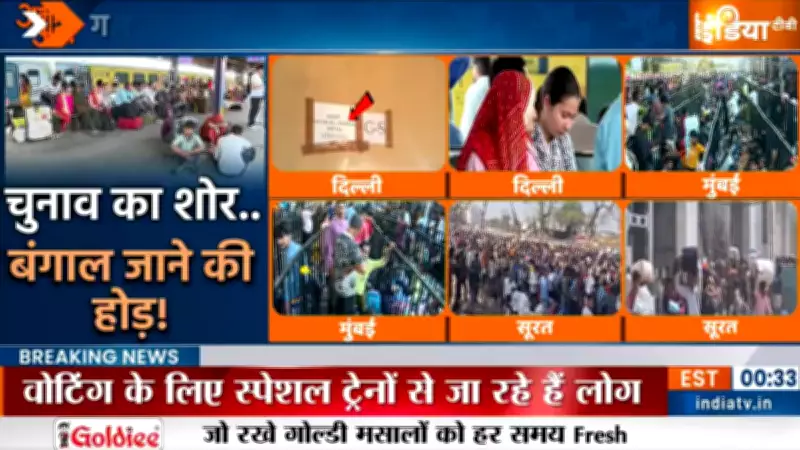
Massive Rush at Railway Stations as Bengal Migrants Head Back Over Fears of Losing Names from Rolls
Railway stations across West Bengal have been witnessing unprecedented crowds and chaotic scenes as a large number of migrants are rushing back to their home state. This sudden surge in travel is driven by widespread fears among the migrant population that their names might be removed from official rolls, potentially affecting their rights and benefits. The situation has escalated rapidly, leading to significant disruptions in rail services and raising concerns about the underlying issues of migration and documentation in the region.
Unprecedented Travel Chaos and Crowding
The influx of migrants returning to West Bengal has resulted in severe overcrowding at major railway hubs, including Howrah and Sealdah stations. Passengers have reported long queues, packed trains, and difficulties in securing tickets, as the rush intensifies. Railway authorities are struggling to manage the extra load, with many trains running beyond capacity and delays becoming common. This travel chaos is not only causing inconvenience but also posing safety risks due to the dense crowds.
Key factors contributing to the rush include:

- Rumors and misinformation spreading among migrant communities about potential removal from official lists.
- Concerns over losing access to government schemes and welfare benefits tied to residency records.
- The timing coinciding with seasonal migration patterns, exacerbating the situation.
Underlying Fears and Migration Concerns
At the heart of this mass movement are deep-seated anxieties among migrants regarding their legal status and entitlements. Many fear that if their names are struck off from rolls, such as voter lists or ration card databases, they could face difficulties in accessing essential services, voting in elections, or claiming subsidies. This has prompted a hurried return to West Bengal to verify and secure their documentation, despite the lack of official confirmation about any such removals.
Experts point out that this incident highlights the broader challenges of internal migration in India, where migrants often grapple with bureaucratic hurdles and uncertainty over their rights. The lack of clear communication from authorities has only fueled the panic, leading to this reactive travel surge.
Impact on Railway Operations and Local Response
The sudden spike in passenger numbers has put immense pressure on railway infrastructure and staff. Additional trains and special services are being considered to accommodate the extra demand, but logistical constraints are slowing down response efforts. Local officials in West Bengal are monitoring the situation closely, urging calm and advising migrants to avoid unnecessary travel until clarity is provided on the status of official rolls.
Measures being taken to address the crisis:
- Increased deployment of railway personnel to manage crowds and ensure safety.
- Public announcements and awareness campaigns to dispel rumors and provide accurate information.
- Coordination with state authorities to streamline documentation processes and reassure migrants.
As the situation unfolds, it underscores the need for better migration policies and robust communication channels to prevent such incidents in the future. The rush at railway stations serves as a stark reminder of the vulnerabilities faced by migrant populations and the importance of safeguarding their rights through transparent governance.






