

West Bengal's Voter List Set for Major Reduction Ahead of Final Publication
Kolkata: The electoral landscape in West Bengal is undergoing a significant transformation, with the state's voter count expected to shrink by at least 68 lakh, representing approximately a 9% decrease compared to the figures from the 2024 Lok Sabha elections. This substantial reduction is the result of a meticulous Special Intensive Revision (SIR) process conducted by the Election Commission of India. The final electoral roll, which will reflect these changes, is scheduled for official publication on February 28, marking a critical step in preparing for future democratic exercises.
Draft List and Initial Exclusions
The draft SIR list, unveiled on December 16, initially accounted for around 7.1 crore electors after the exclusion of over 58 lakh voters categorized as ASD—absent, shifted, dead, or duplicate. However, sources within the Election Commission have indicated that an additional 10 lakh names are poised to be removed from the final version. This brings the total anticipated reduction to a minimum of 68 lakh voters, underscoring the rigorous scrutiny applied to ensure the integrity of the electoral database.
Hearings and Discrepancy Resolutions
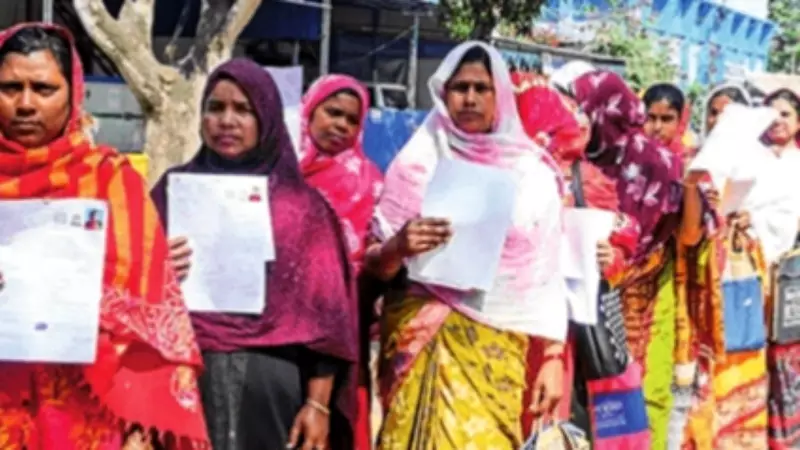
A senior EC official detailed that during the revision process, 1.5 crore voters were identified with logical discrepancies or marked as unmapped in the draft list, necessitating in-person hearings to verify their eligibility. Of this group, 3.6 lakh voters could not be served notices because Booth Level Officers (BLOs) were unable to locate them. These 3.6 lakh electors will be excluded from the final roll without further review, as their whereabouts remain unverified.

Furthermore, approximately 5.2 lakh voters who received hearing notices failed to appear before Electoral Registration Officers (EROs) or Assistant Electoral Registration Officers (AEROs) by the deadline of 2 PM on a recent Saturday. Their names will also be excluded from the final list, adding to the tally of removed entries. Following the hearings, during the document-verification stage, an additional 1.6 lakh names were marked as "ineligible" due to various irregularities.
Scrutiny of Irregularities and Potential Further Exclusions
In a meeting held on Friday with the Bengal chief electoral officer, special roll observers, and district magistrates, the Election Commission highlighted several concerning cases where improper documents, such as newspaper clippings, blank pages, or invisible images, had been uploaded into the system and even verified. Around 15 to 20 such instances were presented to district magistrates and central observers via a PowerPoint presentation, emphasizing the need for enhanced vigilance. All these cases will undergo thorough scrutiny during a super-checking exercise, which may lead to a further increase in the number of ineligible electors beyond the current estimates.
New Enrolments and Updates Processed
Between the publication of the draft roll on December 16 and January 19, the Election Commission received a substantial number of applications related to voter registration. This included 7.4 lakh submissions of Form 6 and Form 6A, both online and offline, from individuals seeking enrolment as new voters in Bengal. Additionally, 42,501 Form 7 submissions were made for the deletion of names from the electoral roll due to reasons such as death or change of address. More than 3.4 lakh Form 8 applications were submitted for updates and minor corrections to Electors Photo Identity Cards (EPIC). All these forms will be processed and disposed of before the final roll is published, ensuring that the list reflects accurate and current voter information.
Timeline for Finalization and Rationalization
According to the Election Commission's established timetable, documents submitted by voters during the hearings must be scrutinized and verified by February 21. The disposal of all pending cases is also required to be completed by this date. Subsequently, rationalization of polling stations is mandated to take place by February 25, setting the stage for the publication of the final electoral roll three days later on February 28. This structured approach aims to streamline the electoral process and enhance its reliability for upcoming elections.






