Massive Purge in West Bengal Voter Rolls: Over 90 Lakh Names Struck Off
In a significant development that has sent shockwaves through the political landscape of West Bengal, over 90 lakh names have been removed from the state's electoral rolls. This unprecedented move by the Election Commission has ignited a fierce debate, with allegations of political manipulation and disenfranchisement flying thick and fast. The sheer scale of this purge—affecting nearly 10% of the electorate—raises critical questions about the integrity of the democratic process in one of India's most politically charged states.
The Human Toll: Five Stories from the Excluded
Behind the staggering statistics lie countless personal tales of confusion, frustration, and disillusionment. Here are five poignant stories from individuals who found themselves inexplicably left out of the voter list:
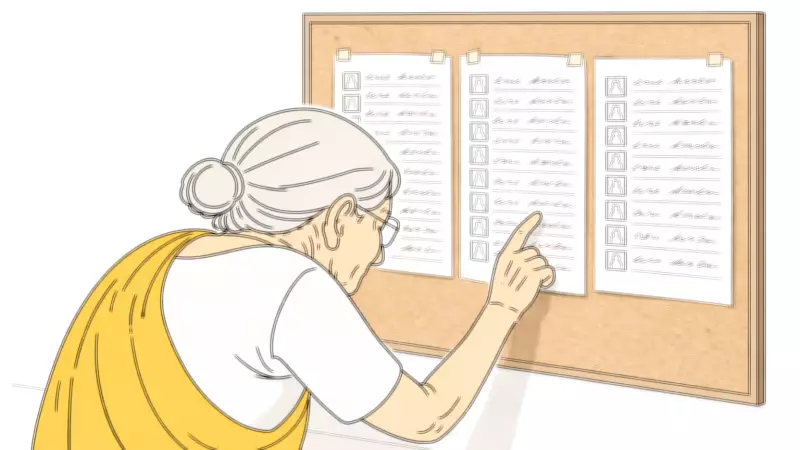
- The Lifelong Resident: A 65-year-old woman from Kolkata, who has voted in every election since 1977, discovered her name missing despite never changing her address. "I feel erased from my own country," she lamented, highlighting the emotional distress caused by such administrative oversights.
- The First-Time Voter: A 19-year-old college student from Howrah, who had registered enthusiastically for the upcoming polls, was shocked to find his application rejected without explanation. This case underscores the potential disengagement of youth from the electoral process.
- The Migrant Worker: A laborer from Murshidabad, who works in another state but returns home to vote, found his name deleted due to "non-residency" claims, despite having valid local documents. This reflects the challenges faced by mobile populations.
- The Senior Citizen: An 80-year-old retired teacher from Siliguri, with no changes in his status, was removed allegedly for "duplicate entries" that he denies ever existing. His story points to possible data errors in the roll revision process.
- The Displaced Family: A family from North 24 Parganas, displaced by a natural disaster and living in a temporary shelter, lost their voting rights as their new address was not updated in time, exposing gaps in disaster management protocols.
Political Fallout and Allegations
The removal of such a vast number of names has not gone unnoticed by political parties. Opposition groups have accused the ruling establishment of orchestrating this purge to tilt the electoral balance in their favor, while the government has defended the action as a necessary cleanup of outdated and fraudulent entries. The Election Commission, meanwhile, maintains that the process is routine and aimed at ensuring accuracy, but the timing—just ahead of crucial state elections—has fueled suspicions of partisan motives.

Implications for Democracy and Governance
This incident raises broader concerns about voter suppression and the robustness of India's electoral machinery. Experts warn that such large-scale exclusions could undermine public trust in democratic institutions and deter participation. There are calls for greater transparency in the roll revision process, including timely notifications and easier grievance redressal mechanisms for affected citizens.
As West Bengal gears up for its next electoral battle, the fate of these 90 lakh potential voters remains a contentious issue. Their stories serve as a stark reminder that behind every statistic is a citizen whose voice risks being silenced, challenging the very foundations of a vibrant democracy.