

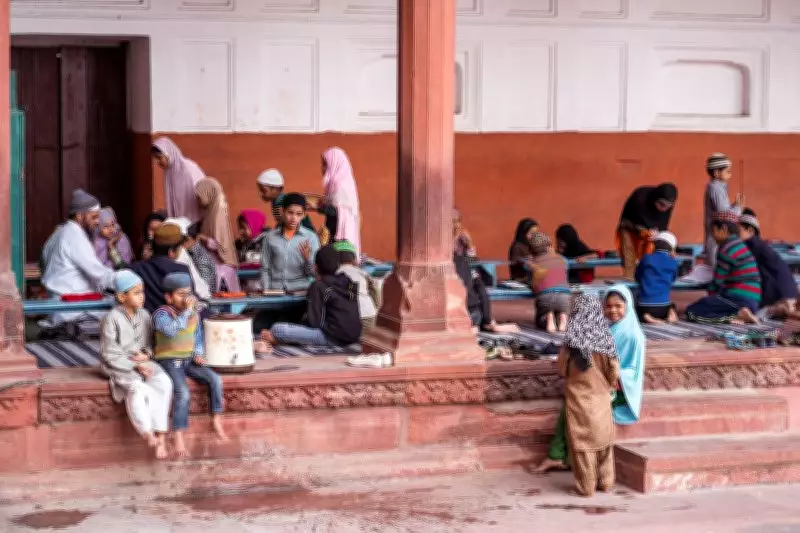
The West Bengal government's decision to make the singing of Vande Mataram mandatory in all madrasas across the state has triggered a political firestorm. The order, issued by the state's Minority Affairs and Madrasah Education Department, directs all madrasas to include the patriotic song in their daily assemblies and official events.
Government's Stance
The Trinamool Congress government, led by Chief Minister Mamata Banerjee, defended the move as a measure to instill patriotism and national pride among students. A senior official stated that the song is a symbol of India's unity and diversity, and its inclusion in madrasas will foster a sense of belonging among minority communities.
Opposition's Reaction
The Bharatiya Janata Party (BJP) and other opposition parties have criticized the decision, accusing the state government of using the issue for political gain. BJP leaders argued that the move is an attempt to divert attention from other pressing issues, such as law and order and economic challenges. Some Muslim clerics also expressed reservations, claiming that the order interferes with the autonomy of religious institutions.

The controversy comes amid ongoing debates about the place of religious symbols in public spaces. Vande Mataram, a song from the Bengali novel Anandamath, has been a subject of contention in the past, with some Muslim groups objecting to its mandatory recitation on religious grounds.
Legal and Social Implications
Legal experts have weighed in, noting that while the government has the authority to prescribe curricula and activities in educational institutions, any mandatory religious or cultural practice must respect the rights of minorities. The West Bengal Madrasah Education Board has been asked to ensure compliance, with non-adherence potentially leading to penalties.
Social activists have called for dialogue between the government and madrasa authorities to address concerns without undermining the spirit of the order. The situation remains fluid, with both sides digging in their heels.






