

Bengaluru's Water-Saving Aerator Project Yields Massive Financial Benefits
The Bangalore Water Supply and Sewerage Board (BWSSB) has announced a significant achievement in urban water management, revealing that the installation of aerators in public taps throughout Bengaluru is saving the city approximately Rs 40 crore annually. This initiative, aimed at curbing water wastage, has proven to be a cost-effective and impactful measure in addressing the city's perennial water scarcity issues.
How Aerators Contribute to Water and Cost Savings
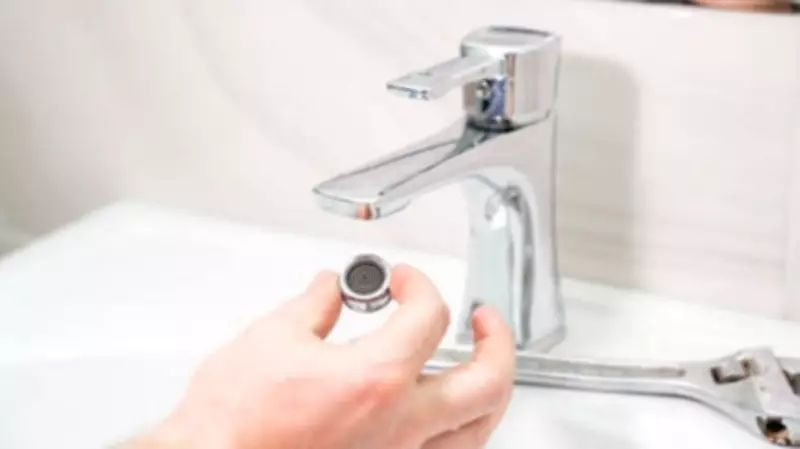
Aerators are simple yet innovative devices attached to tap outlets that mix air with water, reducing flow rates without compromising functionality. By incorporating these in public taps across parks, bus stands, government buildings, and other high-traffic areas, the BWSSB has successfully minimized unnecessary water consumption. The board estimates that this reduction in usage translates directly into substantial financial savings, as less water needs to be treated and supplied, thereby lowering operational expenses.
Implementation and Impact Across the City
The project, which began as a pilot in select localities, has now been expanded citywide, with thousands of aerators installed over the past few years. BWSSB officials highlight that this measure not only conserves a precious resource but also promotes public awareness about responsible water use. In a city frequently grappling with water shortages, especially during summer months, such interventions are crucial for sustainable urban living.

Key benefits observed include:
- Reduced water wastage in public spaces, leading to more efficient resource utilization.
- Lowered pressure on Bengaluru's water supply infrastructure, extending its lifespan.
- Enhanced public hygiene, as aerators help maintain consistent water flow for washing and cleaning purposes.
- Positive environmental impact through decreased energy consumption for water treatment and distribution.
Future Plans and Broader Implications
Encouraged by the success of this initiative, the BWSSB is considering further expansions, including promoting aerator use in residential and commercial establishments. The board emphasizes that small-scale solutions like aerators can collectively lead to major savings, both financially and ecologically. This project serves as a model for other Indian cities facing similar water management challenges, demonstrating how low-cost technology can drive significant public utility improvements.
As Bengaluru continues to grow, such proactive measures are essential to ensure water security and fiscal prudence for its residents and authorities alike.






