

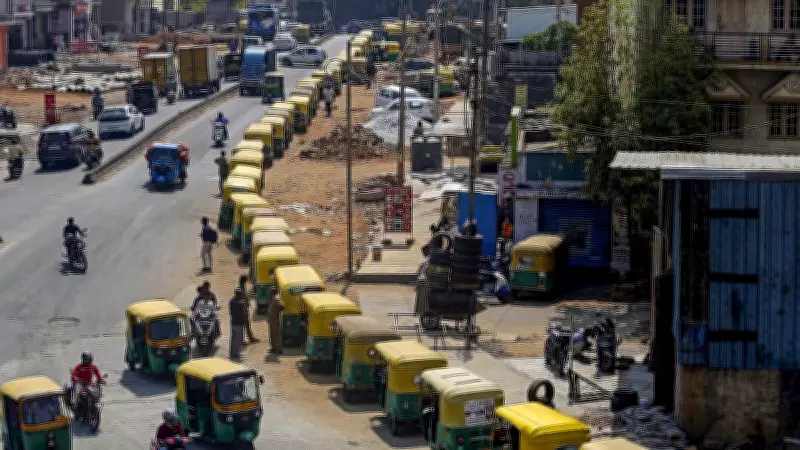
Bengaluru Braces for Major Auto Rickshaw Disruption on April 6 Amid LPG Shortage
A critical shortage of liquefied petroleum gas (LPG) in Bengaluru is set to trigger a significant reduction in auto rickshaw services on Saturday, April 6, potentially disrupting daily commutes and urban mobility across the city. The worsening fuel crisis has raised alarms among transport operators and residents, with many fearing widespread inconvenience.
Escalating LPG Supply Issues Threaten Public Transport
Reports indicate that the LPG shortage, which has been building over recent weeks, has reached a tipping point, forcing many auto rickshaw drivers to consider staying off the roads. This decision stems from the inability to secure adequate fuel supplies, essential for the three-wheelers that rely heavily on LPG for operation. The situation highlights the vulnerability of Bengaluru's transport infrastructure to fuel supply chain disruptions.
Industry sources confirm that the scarcity is particularly acute in key areas of the city, leading to long queues at filling stations and sporadic availability. Auto rickshaw unions have expressed concerns over the financial impact on drivers, who depend on daily earnings to sustain their livelihoods. This crisis could exacerbate existing transport challenges in a city already grappling with traffic congestion and public transit limitations.

Potential Impact on Commuters and Daily Life
The anticipated thinning out of auto rickshaws on April 6 is expected to affect thousands of commuters, including office-goers, students, and shoppers who rely on these vehicles for last-mile connectivity. Key consequences may include:
- Increased demand for alternative transport modes, such as buses and taxis, potentially leading to overcrowding.
- Higher fares for available auto rickshaws due to reduced supply and heightened competition.
- Delays in travel times and logistical challenges for businesses dependent on auto services.
Authorities are monitoring the situation closely, but no immediate relief measures have been announced to address the LPG shortfall. Residents are advised to plan their travel in advance and explore other options to mitigate disruptions.
Broader Implications for Urban Transport Sustainability
This incident underscores the need for diversified fuel sources and more resilient transport systems in Bengaluru. As the city continues to grow, reliance on single fuel types like LPG poses risks to mobility and economic activity. Stakeholders are calling for long-term solutions, including:
- Enhanced fuel supply chain management to prevent future shortages.
- Promotion of electric and hybrid auto rickshaws to reduce dependency on fossil fuels.
- Improved public transit infrastructure to offer reliable alternatives during crises.
In summary, the LPG shortage in Bengaluru is not just a temporary inconvenience but a wake-up call for systemic improvements in urban transport. As April 6 approaches, the city faces a test of its adaptability and preparedness in handling such emergencies.






