

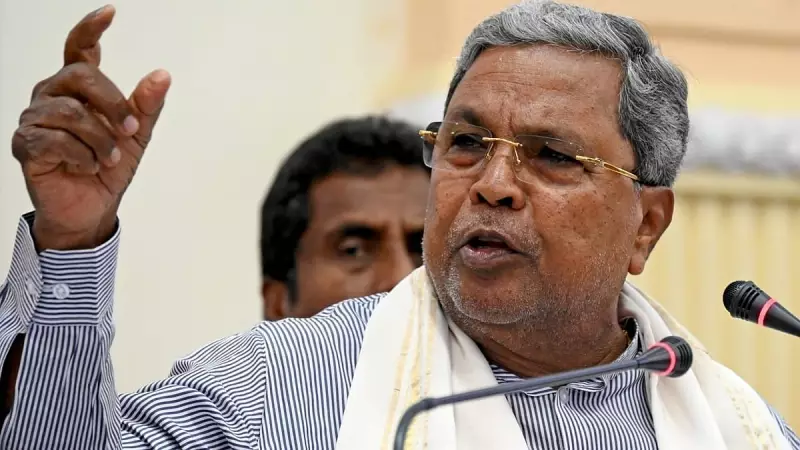
Bengaluru Special Court Accepts B Report, Exonerates Siddaramaiah and Others in MUDA Controversy
In a significant development in Karnataka's political landscape, a special court in Bengaluru has officially accepted the B report submitted by the Lokayukta police. This judicial action effectively provides a clean chit to former Chief Minister Siddaramaiah, B M Parvathi, and several other individuals implicated in the high-profile Mysore Urban Development Authority (MUDA) case.
Details of the MUDA Allegations and Investigation
The controversy centered on allegations of illegalities and corruption within MUDA, specifically concerning the allotment of 14 alternative sites with an estimated total value of Rs 56 crore to B M Parvathi. The complaint, which sparked a thorough investigation by the Lokayukta police, accused officials and political figures of misconduct in the allocation process, raising questions about procedural integrity and potential financial irregularities.
After a comprehensive probe, the Lokayukta police concluded their investigation and submitted the B report to the court. This report, which typically recommends closure of a case due to lack of evidence or merit, was presented as the final outcome of their inquiries into the matter.

Court's Decision and Its Implications
The Bengaluru special court's acceptance of the B report marks a pivotal moment, legally absolving Siddaramaiah, Parvathi, and the other accused from the charges. This decision underscores the judicial finding that the allegations did not hold up under scrutiny, potentially influencing public perception and political dynamics in Karnataka.
Key aspects of this development include:
- Legal Validation: The court's endorsement of the B report reinforces the investigative conclusions, providing a formal legal clearance to those involved.
- Political Ramifications: As a prominent figure in Karnataka politics, Siddaramaiah's exoneration could impact ongoing political narratives and future electoral strategies.
- Transparency in Governance: The case highlights the role of anti-corruption bodies like the Lokayukta in addressing public complaints, even as the outcome emphasizes the importance of evidence-based judgments.
This ruling not only closes a chapter in the MUDA saga but also sets a precedent for how similar allegations might be handled in the future, balancing accountability with the presumption of innocence until proven guilty.






