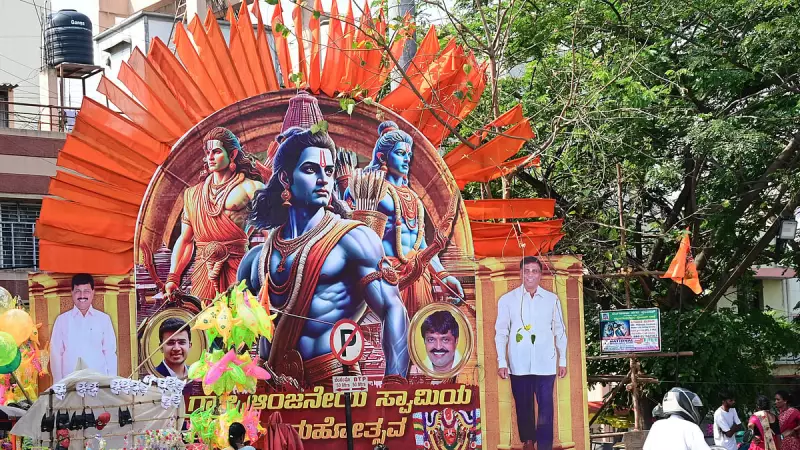
Bengaluru Welcomes Back Hoardings with Updated Advertising Framework
The cityscape of Bengaluru is changing once again. Hoardings are making a comeback across the metropolitan area. This return follows the implementation of fresh advertising regulations by the Bruhat Bengaluru Mahanagara Palike.
Key Concessions for Established Advertisers
The new rules introduce significant benefits for what officials term "legacy" advertisers. These are businesses and individuals who held valid permissions under the previous BBMP Advertisement Byelaws from 2006. The updated framework grants them a special one-time opportunity.
This opportunity allows for the regularization of existing advertising structures. The regularization comes with a clearly defined fixed period. Advertisers must comply with the new guidelines to take advantage of this provision.

Understanding the Regularization Process
The regularization process represents a practical approach by city authorities. It acknowledges the existing advertising landscape while introducing updated standards. Legacy advertisers now have a clear pathway to bring their hoardings into compliance.
This move aims to balance commercial interests with urban aesthetics. The fixed period for regularization provides certainty for advertisers. It also gives the BBMP a structured timeline for implementation.
Impact on Bengaluru's Urban Environment
The return of hoardings under new rules will visibly transform Bengaluru's streets. Residents will notice changes in advertising displays throughout the city. The regulations seek to create a more organized visual environment.
City officials emphasize that the new framework includes updated safety standards. These standards address structural integrity and placement considerations. The goal is to ensure public safety alongside commercial advertising.
The implementation marks a significant shift in Bengaluru's advertising policy. It represents an effort to modernize regulations that have remained largely unchanged since 2006. The city continues to evolve its approach to urban management.