Bengaluru LPG Crisis Shows Signs of Easing as Panic Subsides
The recent LPG crisis that gripped Bengaluru, causing widespread concern among residents, is now showing signs of improvement. Reports indicate a significant decline in panic booking and visits to agencies by domestic users, suggesting that supply and distribution efforts are beginning to stabilize the situation.
Decrease in Panic-Driven Actions
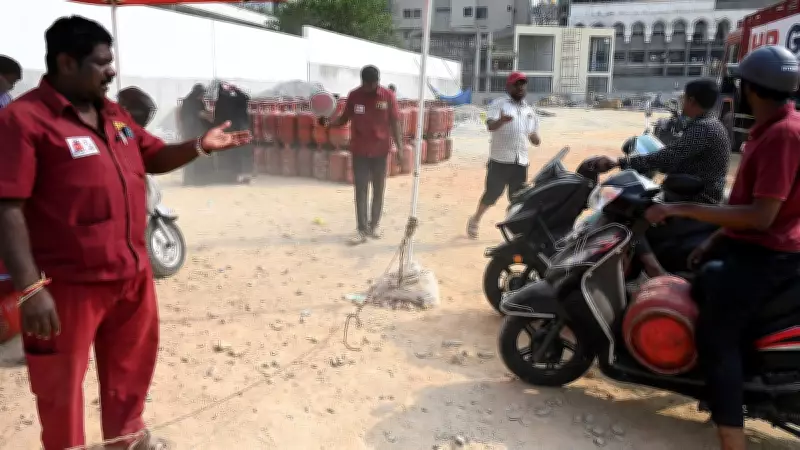
In recent weeks, Bengaluru had been facing a severe shortage of liquefied petroleum gas (LPG) cylinders, leading to long queues and frantic attempts by households to secure their cooking fuel. However, data from local agencies reveals that the frequency of panic bookings and physical visits by domestic users has come down noticeably. This shift points to a reduction in the immediate anxiety that had been driving consumer behavior during the peak of the crisis.
Authorities attribute this change to enhanced coordination between suppliers and distributors, along with increased efforts to streamline delivery processes. The Karnataka government and oil marketing companies have been working to address the bottlenecks that contributed to the shortage, including logistical challenges and supply chain disruptions.
Improved Supply and Distribution Efforts
The easing of the crisis is also linked to improved supply chains and more efficient distribution mechanisms. Officials have ramped up the allocation of LPG cylinders to Bengaluru, ensuring that a greater number of households receive their refills in a timely manner. Additionally, measures such as digital tracking and better communication with consumers have helped manage expectations and reduce the rush at agency offices.
Key factors contributing to the decline in panic include:
- Increased availability of LPG cylinders in the city.
- Enhanced delivery schedules to meet demand.
- Public awareness campaigns to discourage hoarding.
- Streamlined booking processes through online platforms.
Impact on Domestic Users and Future Outlook
For domestic users in Bengaluru, the reduction in panic booking and agency visits brings much-needed relief. Many households had been struggling with interrupted cooking routines and increased expenses due to the crisis. With the situation improving, residents can now anticipate more reliable access to LPG, although authorities caution that full normalization may take some time.
The state government continues to monitor the LPG supply closely, with plans to implement long-term solutions to prevent similar shortages in the future. This includes investing in infrastructure and exploring alternative energy sources to reduce dependency on traditional fuel supplies.
In summary, while the LPG crisis in Bengaluru is not entirely resolved, the decline in panic-driven actions by domestic users marks a positive step forward. Continued efforts by stakeholders are essential to ensure sustained stability and prevent a recurrence of such disruptions in the city's essential services.