

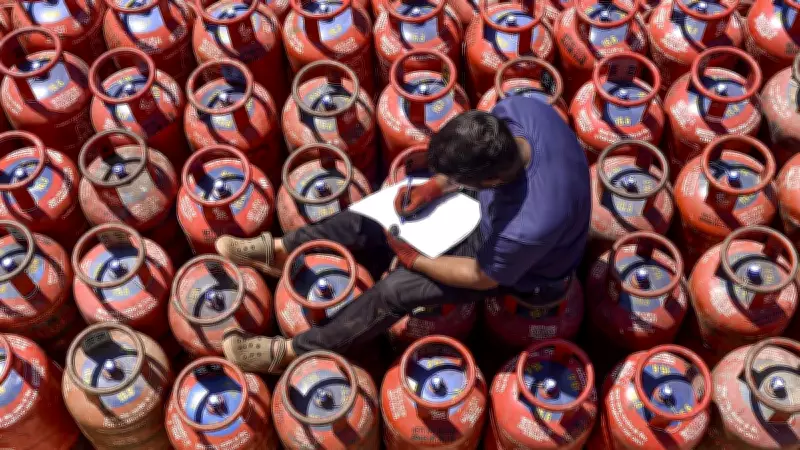
Bengaluru PG Owners Demand 500 LPG Cylinders Daily Amid Severe Shortage
In response to a critical LPG shortage, owners of paying guest accommodations in Bengaluru have issued a formal demand for government intervention. The key request is for authorities to set aside a minimum of 500 LPG cylinders each day specifically for PG facilities. This move aims to alleviate the operational challenges faced by these establishments, which rely heavily on LPG for cooking and other essential services.
Escalating Crisis in the City
The shortage has intensified in recent weeks, disrupting daily life for thousands of residents in PG accommodations. Owners report that the lack of cylinders is forcing them to cut back on meals and other amenities, leading to widespread dissatisfaction among tenants. The situation underscores broader supply chain issues affecting urban centers like Bengaluru, where demand often outstrips availability.
Government Intervention Sought
Members of the PG owners' association have emphasized the urgency of their plea, calling for immediate action from local and state authorities. They argue that without a dedicated daily allocation of cylinders, many PG accommodations risk shutting down, which could exacerbate housing shortages in the city. The demand for 500 cylinders per day is seen as a baseline to ensure continuity of services.

Impact on Residents and Operations
The LPG shortage is not just an inconvenience; it has real consequences for both owners and residents. PG owners are struggling to maintain their businesses, while tenants face uncertainty over basic necessities like food. This crisis highlights the need for robust infrastructure and contingency planning in fast-growing urban areas.
Looking Ahead
As the situation unfolds, stakeholders are hopeful that the government will respond promptly to their demands. A resolution could involve:
- Increased supply from distributors to meet daily quotas.
- Priority allocation for essential services like PG accommodations.
- Long-term strategies to prevent future shortages through better inventory management.
The outcome of this demand could set a precedent for how similar crises are handled in other Indian cities, making it a critical issue for urban governance and public welfare.






