Bengaluru's Pedestrian Crisis: Broken Footpaths and Blocked Paths Expose City's Walking Nightmare
Walking in Bengaluru has become a daily challenge for many residents. The city's footpaths present numerous obstacles that make simple strolls difficult and dangerous.
Residents Speak Out About Footpath Problems
Many pedestrians in Bengaluru shared their experiences with local reporters. They explained the core issue is not a shortage of footpaths. The real problem lies in how these walking spaces are maintained and managed.
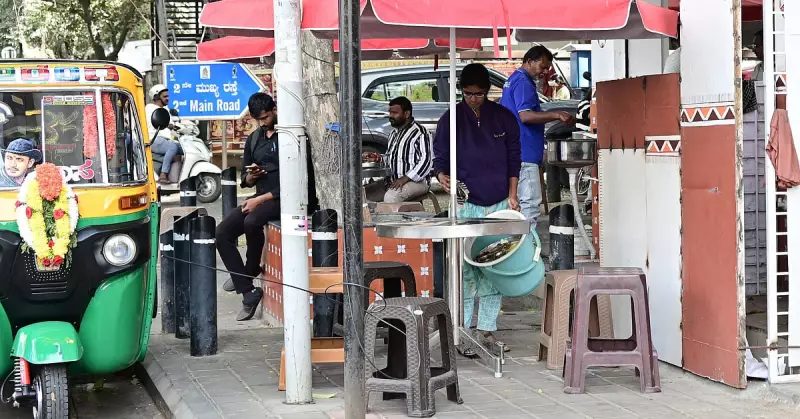
People described footpaths that remain blocked by various obstructions. These barriers prevent smooth movement across different parts of the city. Walkers also mentioned pathways that are too narrow for comfortable use by all pedestrians.

The Three Major Issues Plaguing Bengaluru's Footpaths
Residents identified three primary concerns that make walking in Bengaluru so difficult:
- Obstruction Problems: Footpaths frequently get blocked by parked vehicles, street vendors, construction materials, and other items. These obstructions force pedestrians to walk on busy roads instead.
- Width Limitations: Many footpaths are simply too narrow. They cannot accommodate multiple walkers, people with disabilities, parents with strollers, or groups walking together.
- Continuity Gaps: Footpaths often end abruptly without connecting to the next section. This lack of continuous walking routes makes longer journeys particularly challenging.
A Specific Example of the Problem
The situation along 80 Feet Road near MS Ramaiah Hospital illustrates these issues clearly. Pedestrian space there has been significantly reduced. Walkers must navigate around various encroachments that have taken over what should be clear walking paths.
This particular location shows how even major roads in Bengaluru suffer from poor pedestrian infrastructure. The problems are visible and affect daily commuters who rely on walking for transportation.
Official Recognition of the Situation
Greater Bengaluru Authority Chief Commissioner M Maheshwar Rao has acknowledged these pedestrian challenges. His office published observations about the city's walking infrastructure problems in January 2026.
The timing of this official recognition suggests growing awareness about pedestrian issues at administrative levels. However, residents report that practical improvements on the ground remain limited.
Why This Matters for Bengaluru's Future
Bengaluru's pedestrian problems affect more than just walking convenience. They impact public health by discouraging physical activity. They increase traffic congestion as more people choose vehicles over walking. They also raise safety concerns, especially for children, elderly residents, and people with mobility challenges.
The city's reputation as a modern metropolis suffers when basic infrastructure like walkable footpaths remains inadequate. Many residents express frustration that such fundamental urban amenities receive insufficient attention.
As Bengaluru continues to grow and develop, pedestrian infrastructure must become a higher priority. The current situation creates unnecessary difficulties for thousands of daily walkers. Simple improvements could significantly enhance quality of life for many city residents.