Bengaluru's Street Walls Speak Out: A Visual Cry for Civic Action
In the bustling streets of Bengaluru, a unique form of public discourse is emerging. The city's walls, once mere backdrops to daily life, are now transforming into vibrant canvases that voice the concerns of its residents. This grassroots movement sees citizens using street art to highlight pressing civic issues, from pothole-ridden roads to erratic water supply and waste management woes. The phenomenon raises a critical question: will the powers that be walk the talk and address these visual pleas for improvement?
The Art of Grievance: How Bengaluru's Walls Are Talking
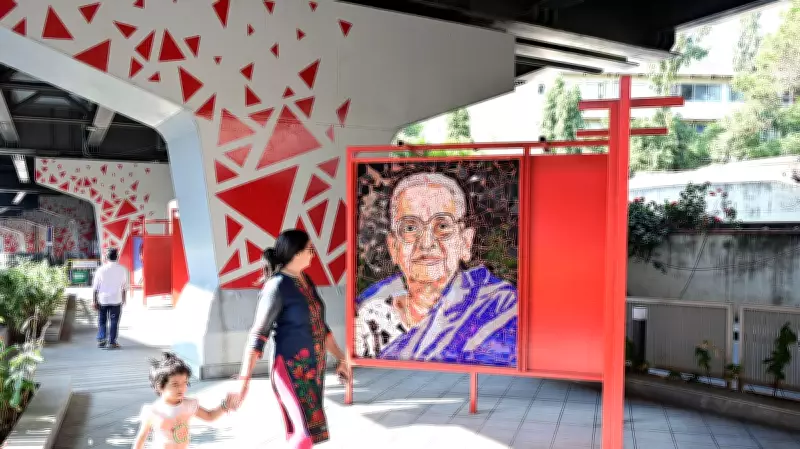
Across various neighborhoods in Bengaluru, walls are being adorned with murals and graffiti that serve as direct messages to civic authorities. These artworks are not just aesthetic expressions but pointed commentaries on urban neglect. For instance, in areas like Indiranagar and Koramangala, artists have depicted scenes of flooded streets during monsoons, symbolizing the city's drainage problems. In other locales, illustrations of overflowing garbage bins underscore the challenges in waste disposal systems. The movement is largely organic, driven by local artists and residents frustrated with the slow pace of bureaucratic responses to everyday issues.
The core of this initiative lies in its ability to make grievances visible and impossible to ignore. By painting problems on public walls, citizens are creating a constant reminder for officials and the broader community. This approach bypasses traditional complaint mechanisms, which often get lost in red tape, and instead uses art as a powerful tool for advocacy. The walls "talk" by telling stories of inconvenience and hardship, making abstract issues tangible and urgent.

Authorities' Response: A Test of Governance
The response from Bengaluru's civic authorities, including the Bruhat Bengaluru Mahanagara Palike (BBMP) and other local bodies, has been mixed. While some officials have acknowledged the art as a creative form of feedback, concrete action remains limited. In a few cases, authorities have initiated repairs or clean-ups in areas highlighted by the murals, but these are often isolated incidents rather than systemic changes. The lack of a coordinated policy to address the issues raised by the street art points to a broader challenge in urban governance.
Experts suggest that this movement could serve as a catalyst for more responsive administration. If authorities engage with these visual complaints proactively, it could foster a culture of transparency and accountability. However, there are concerns that without sustained pressure, the art might be whitewashed or ignored, leaving the underlying problems unresolved. The situation underscores the need for dialogue between citizens and policymakers to translate artistic expressions into actionable solutions.
Broader Implications for Urban India
Bengaluru's talking walls are part of a larger trend in Indian cities where citizens are finding innovative ways to demand better governance. Similar movements have been observed in places like Mumbai and Delhi, where public art has been used to highlight environmental and social issues. This reflects a growing disillusionment with conventional grievance redressal systems and a shift towards more direct, creative forms of activism.
- Increased Civic Engagement: The art encourages community participation and raises awareness about local problems.
- Pressure on Authorities: It puts visual pressure on officials to act, as the art garners media attention and public sympathy.
- Potential for Policy Change: If leveraged effectively, it could influence urban planning and resource allocation.
As Bengaluru grapples with rapid urbanization and infrastructure strains, these talking walls symbolize a plea for a more livable city. The ball is now in the court of the authorities to walk the talk—by not only appreciating the art but also implementing the changes it calls for. The outcome will be a litmus test for how Indian cities can harness public creativity to drive civic improvement.