Bhopal Task Force Establishes Demolition Guidelines for Upper Lake Zone
A crucial decision has been made regarding the fate of structures within the environmentally sensitive no-construction zone surrounding Bhopal's iconic Upper Lake. The task force constituted to monitor the demarcation of this protected area has finalized its approach, creating a clear timeline-based framework for potential demolition actions.
March 2022: The Critical Cut-off Date
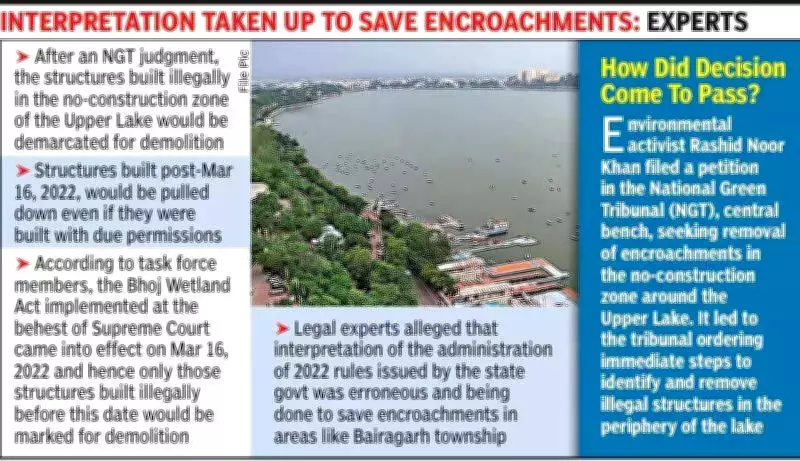
In its inaugural meeting held on Friday, the task force established March 16, 2022 as the pivotal date determining the future of constructions in the restricted area. This date holds significance as it marks when the Bhoj Wetland Act, implemented following Supreme Court directives, officially came into effect across the state.
Structures constructed before this deadline with proper authorization from relevant agencies will be spared from demolition, according to the task force's resolution. However, any buildings erected illegally before March 16, 2022 will still face demarcation for removal.
Stricter Rules for Post-2022 Constructions
The task force has adopted a significantly stricter stance toward more recent developments. All structures built after March 16, 2022 within the no-construction zone will be marked for demolition, regardless of whether they obtained proper permissions. This uncompromising position reflects the heightened environmental protections established by the 2022 legislation.
Additional Collector Ankur Meshram, who chaired the task force meeting, explained the rationale behind this distinction. "The Supreme Court had issued a comprehensive order for the conservation of approximately one lakh wetlands nationwide," Meshram stated. "In compliance with this directive, the state government enacted specific legislation that became effective on March 16, 2022. We are creating separate categories for structures based on this timeline and will thoroughly examine whether pre-2022 constructions obtained necessary permissions."
Legal Controversy and Environmental Concerns
Despite the task force's clear guidelines, legal experts have raised substantial objections to the administration's interpretation of the 2022 rules. Critics allege this approach represents an erroneous reading of environmental regulations, potentially designed to protect existing encroachments in sensitive areas.
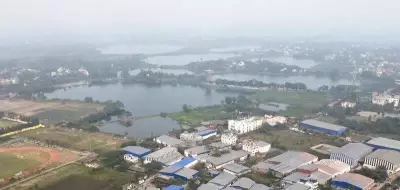
Particular concern has been raised about Bairagarh township, which features numerous marriage halls directly on the Upper Lake's banks, along with other structures in Shyamala Hills and VIP Road areas. Advocate Harshwardhan Tiwari, representing environmental activist Rashid Noor Khan in the National Green Tribunal, challenged the task force's legal foundation.
"Before the state government's 2022 law took effect, the Wetland Rules of 2010 and 2017 were already firmly in place," Tiwari emphasized. "These earlier regulations strictly prohibited any construction within 50 meters of wetland areas and allowed no exceptions under any circumstances. Given these pre-existing rules, all building activity in the no-construction zone since 2010 should be governed by them and treated as illegal constructions."
The legal petition filed by environmental activist Rashid Noor Khan with the National Green Tribunal's central bench specifically sought removal of encroachments around the Upper Lake. This petition prompted the tribunal to order immediate identification and elimination of illegal structures in the lake's periphery, ultimately leading to the formation of the task force now implementing these demolition guidelines.