

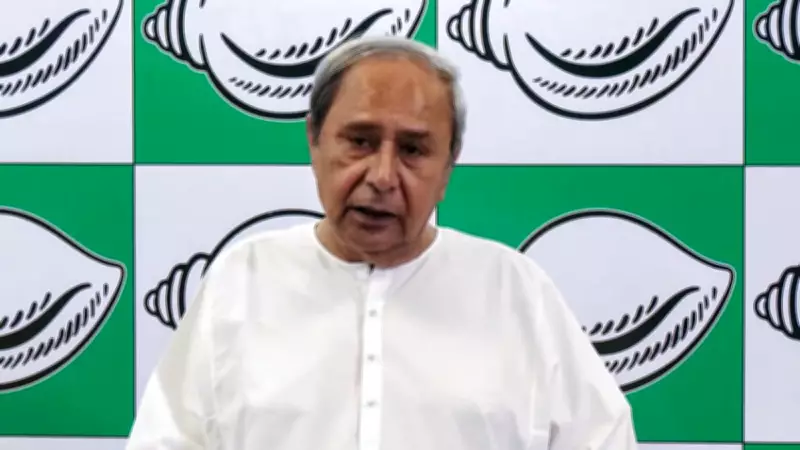
Biju Janata Dal Takes Strict Action Against Four MLAs for Cross-Voting in Rajya Sabha Polls
The Biju Janata Dal (BJD), a major political party in Odisha, has suspended four of its Members of the Legislative Assembly (MLAs) for engaging in cross-voting during the recent Rajya Sabha elections. This disciplinary move underscores the party's zero-tolerance policy towards anti-party activities and aims to maintain internal cohesion and discipline.
Details of the Suspension and Alleged Violations
The suspension was announced following an internal investigation that revealed the four MLAs voted against the party's official candidates in the Rajya Sabha elections held on March 21, 2026. The BJD leadership cited clear violations of party directives and a breach of trust as the primary reasons for the action. The suspended MLAs have been accused of undermining the party's electoral strategy and potentially affecting the outcome of the Rajya Sabha polls, which are crucial for legislative representation at the national level.
This incident highlights the ongoing challenges political parties face in ensuring loyalty among their members, especially during high-stakes elections like those for the Rajya Sabha. The BJD's decision to suspend the MLAs is seen as a stern warning to other party members, emphasizing the importance of adherence to party lines and collective decision-making processes.

Implications for Odisha Politics and Future Elections
The suspension of these four MLAs could have significant repercussions for the political landscape in Odisha. It may lead to:
- Internal party realignments as the BJD seeks to reinforce discipline and unity among its ranks.
- Potential shifts in legislative dynamics, especially if the suspended MLAs decide to join opposition parties or operate independently.
- Increased scrutiny on cross-voting incidents in future elections, with parties likely implementing stricter monitoring mechanisms.
Moreover, this event raises questions about the broader issue of political defections and cross-voting in India's parliamentary system. The Rajya Sabha elections, which involve indirect voting by MLAs, are particularly susceptible to such activities, and the BJD's action sets a precedent for how parties might handle similar situations going forward.
In response to the suspension, the affected MLAs have not yet issued public statements, but sources indicate that they may challenge the decision through internal party appeals or legal avenues. The BJD, on its part, has reiterated its commitment to upholding democratic principles and party discipline, stating that such measures are necessary to preserve the integrity of the electoral process.
As Odisha prepares for upcoming state and national elections, this incident serves as a critical reminder of the volatile nature of political alliances and the constant need for parties to manage internal dissent effectively. The BJD's firm stance is likely to influence voter perceptions and could impact its electoral prospects in the region.






