BJP Leaders Resign Amid Vadodara Real Estate Irregularities Probe
The resignation of two senior Bharatiya Janata Party (BJP) functionaries from Ward 8 in Vadodara has ignited a significant controversy in the city. While both individuals cited "personal reasons" for stepping down, their departure coincides with reported irregularities at a real estate project in the Karodiya area, raising questions about potential connections.
Alleged Irregularities in Karodiya Project
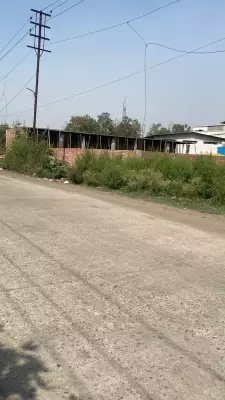
The controversy centers on a real estate scheme in Karodiya, which is part of Ward 8. Irregularities came to light after it was revealed that the project was allegedly developed without converting agricultural land to non-agricultural use, a legal requirement for such developments. Additionally, the Vadodara Municipal Corporation (VMC) assessed some vacant plots within the scheme for property tax, further complicating the matter.
Sources indicate that VMC assessed 24 units in the project. Of these, 18 units were constructed, while six plots remained vacant. Keyur Rokadiya, the MLA from Sayajigunj, raised the issue at a coordination meeting, highlighting that the large plot comprised approximately 160 units. He argued that if no irregularities had occurred, VMC could have availed a 40% land deduction benefit, suggesting potential financial implications. The civic body is currently investigating the assessment of these vacant plots.

Resignations and Political Fallout
Amid the growing row, Vipul Barot, the Ward 8 BJP president, and Vijay Chawda, the general secretary, tendered their resignations. Ward 8 includes Karodiya, where the controversial project is located. Sources revealed that their names had surfaced in connection with the controversy, fueling speculation about their motives for stepping down.
City BJP president Jayprakash Soni addressed the situation, stating that the duo resigned for personal reasons and maintained that their decision was not linked to the Karodiya land issue. "VMC is conducting an inquiry," he said, emphasizing the ongoing probe. However, the timing of the resignations has led to public scrutiny and debate over transparency and accountability in local governance.
Broader Implications and Community Impact
The incident underscores broader concerns about real estate regulations and land use in Vadodara. The alleged failure to convert agricultural land properly could have legal and environmental repercussions, affecting both developers and residents. The property tax assessment on vacant plots adds another layer of complexity, potentially impacting municipal revenue and fairness in taxation.
As the VMC continues its investigation, residents and political observers are closely monitoring developments. The resignations of Barot and Chawda, whether personal or related to the controversy, highlight the interplay between local politics and urban development issues. This case may prompt calls for stricter enforcement of land conversion laws and more rigorous oversight of real estate projects in the region.