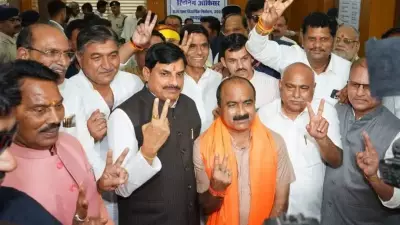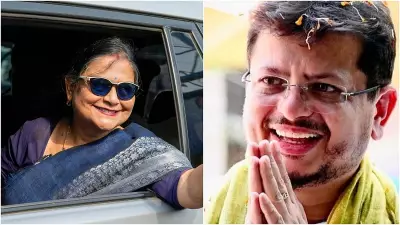
Open rebellion clashed with a covert strategy of secrecy in Nagpur on Monday, as simmering discontent within the Bharatiya Janata Party (BJP) over candidate selection for the upcoming civic polls spilled onto the streets. The anger, originating from the politically significant Prabhag 15—which also houses Chief Minister Devendra Fadnavis's home—culminated in protests right outside the residence of Union Minister Nitin Gadkari.
A Ward Revolts and Protests Escalate
The immediate trigger for the eruption was reports that party nomination forms, or AB forms, were being handed to "outsiders" instead of local workers. Aggrieved party members from Prabhag 15 warned that if such "parachute candidates" were imposed on them, they would neither campaign nor allow "a single booth to function." The timing was critical, with Tuesday being the last day for filing nominations.
The protests quickly widened in scope. Party workers surrounded the vehicle of guardian minister Chandrashekhar Bawankule, demanding the cancellation of a candidature allegedly cleared for the ward. Adding to the internal churn, party leader Devadatta Dehankar—considered close to CM Fadnavis—resigned from all party posts, citing personal reasons. However, insiders pointed to resentment over ticket distribution as the real cause.

The Secrecy Strategy and Its Political Cost
In this volatile backdrop, the BJP's organisational plan for Nagpur became clear: to compress the entire candidate announcement process into the final 24 hours before the nomination deadline. In a calibrated move, shortlisted candidates were instructed to file their papers only on Tuesday. This strategy, party insiders explained, was designed to thwart pressure campaigns, last-minute lobbying, and rebellions by those denied tickets. The internal mantra was succinct: "Limit information, Limit rebellion."
However, this secrecy-first approach carries a significant political cost, fostering a perception of opacity and centralized control. Many aspirants privately complained that decisions were conveyed at the eleventh hour through discreet phone calls, leaving them with little time to react. Most had no choice but to swallow their disappointment, at least for the moment.
A Clean Sweep of the Old Guard?
What deepened the unease within party ranks was the quiet sidelining of several established heavyweights. Former mayor Dayashankar Tiwari, who headed the last general body until its dissolution in March 2022, is not in contention. While he maintains he is not interested in contesting, his absence signals a notable shift. Other former mayors, Nanda Jichkar and Archana Dehankar, also find no place in the panels under consideration.
The pruning extends further to well-known local leaders like Varsha Thakre, Sanjay Bangale, and Chetna Tank. The message to the cadre appears unmistakable: the BJP is aiming for a post-old-guard civic leadership, replacing familiar faces with newer ones in a bid to blunt anti-incumbency sentiments.
Will Discipline Hold or Will Rebellion Spread?
Unlike previous elections, the BJP has refused to release its candidate list publicly. Names will surface only at the returning officers' tables—a tightly managed rollout designed to deny rebels time to regroup. The party points to the precedent of 2017, when it denied tickets to 26 sitting corporators and still swept 108 of 151 seats—a success that has seemingly emboldened the current leadership.
However, the scenes outside Nitin Gadkari's residence on Monday revealed the limits of top-down control. Sensing the unrest, Chief Minister Devendra Fadnavis—who was in Nagpur on Sunday to help finalize candidates—left the city the same night. By Monday evening, several disappointed aspirants had marched to Gadkari's home, escalating tempers and forcing senior leaders into firefighting mode. Late at night, another batch of disgruntled workers reached the minister's house to lodge their protest.

If the anger from Prabhag 15—symbolically the chief minister's own backyard—spreads to other wards, the party's secrecy-first strategy could boomerang. For now, the leadership is betting that party discipline, hierarchy, and compressed deadlines will hold the line. By Tuesday evening, as nomination papers are finally filed, the BJP's real list will reveal itself quietly, without fanfare. The party will then wait to see whether today's murmurs of dissent remain just that or grow into a full-blown revolt.