BJP Alleges TMC Hand in Gherao of Judicial Officers, Trinamool Blames EC for Incident
In a dramatic escalation of political tensions in West Bengal, the Bharatiya Janata Party (BJP) has accused the Trinamool Congress (TMC) of orchestrating the gherao (encirclement) of judicial officers, while the TMC has shifted blame onto the Election Commission (EC) for the incident. The controversy erupted on April 2, 2026, as reported by PTI, with both parties trading sharp accusations amid the charged atmosphere of Indian politics.
BJP's Allegations Against TMC
The BJP has leveled serious charges against the TMC, claiming that the ruling party in West Bengal was directly involved in the gherao of judicial officers. This incident, which has sparked widespread concern, is seen as an attempt to intimidate the judiciary and undermine the rule of law in the state. BJP leaders have condemned the act, calling it a blatant violation of democratic norms and an assault on the independence of the judicial system.
According to BJP sources, the gherao was part of a broader strategy by the TMC to disrupt electoral processes and create chaos ahead of potential elections. The party has demanded immediate action from central authorities and the Election Commission to investigate the matter thoroughly and hold those responsible accountable.

Trinamool's Counterattack and Blame on Election Commission
In response, the Trinamool Congress has vehemently denied any involvement in the gherao and instead pointed fingers at the Election Commission. TMC leaders argue that the EC's handling of the situation has been inadequate, leading to such incidents. They accuse the BJP of fabricating the allegations to tarnish the TMC's image and divert attention from other issues.
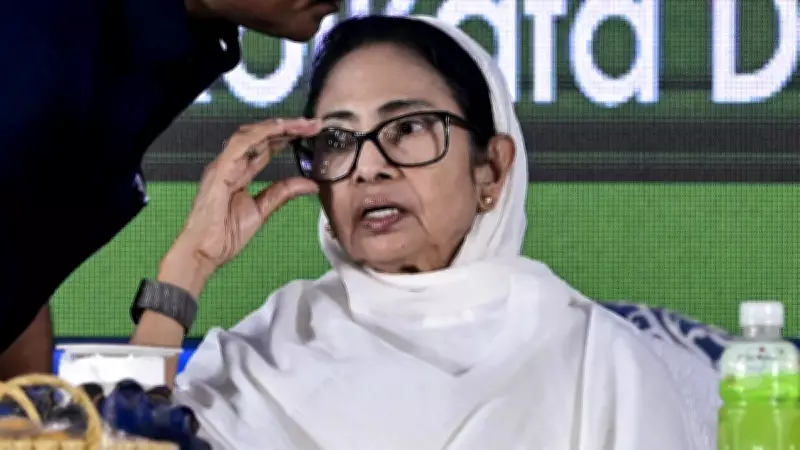
Chief Minister Mamata Banerjee, while addressing the media, struck a note of restraint even as she sharpened her attack on the BJP. She urged people not to fall into what she described as the 'BJP's trap' of inciting riots and violence. Banerjee emphasized the need for peace and stability in West Bengal, warning that such provocations could lead to unrest and harm the state's social fabric.
Mamata Banerjee's Call for Restraint
Mamata Banerjee's comments highlighted her cautious approach amid the escalating conflict. She acknowledged the seriousness of the situation but advised her supporters and the public to remain calm and not engage in any retaliatory actions. Her message was clear: avoid being drawn into a cycle of violence that could benefit political rivals.
This stance reflects the TMC's strategy to portray itself as a party committed to law and order, while simultaneously challenging the BJP's narrative. Banerjee's warning about the 'BJP's trap' underscores the deep-seated political rivalry in West Bengal, where both parties are vying for dominance in a highly polarized environment.
Broader Implications for West Bengal and Indian Politics
The incident has significant implications for West Bengal's political landscape and Indian politics at large. It raises questions about the safety and independence of judicial officers, who play a crucial role in upholding democracy. Moreover, it highlights the ongoing tensions between state and central authorities, with the Election Commission caught in the crossfire.
As the situation unfolds, observers are closely watching how the Election Commission responds to the allegations from both sides. The EC's role in ensuring free and fair elections is under scrutiny, and any misstep could further escalate the conflict. Meanwhile, the BJP and TMC continue to trade barbs, with no immediate resolution in sight.
In summary, the gherao of judicial officers in West Bengal has become a flashpoint in the bitter political feud between the BJP and TMC. With accusations flying and blame being shifted, the incident underscores the volatile nature of politics in the state and the challenges facing India's democratic institutions.