Mumbai witnesses a major political shift as the Bharatiya Janata Party finally gains control of India's richest civic body. After nearly thirty years of Thackeray family dominance, the Brihanmumbai Municipal Corporation now falls under BJP leadership.
Mahayuti Alliance Crosses Crucial Mark
On Friday, the Mahayuti alliance achieved the necessary majority in the 227-member BMC House. They crossed the halfway threshold of 114 seats, though their margin remains narrow. BJP secured 89 seats while Eknath Shinde's Shiv Sena captured 29.
This victory means BJP will need continuous support from Shinde's faction for significant decisions. The alliance's success reflects what many call a 'triple-engine government' with BJP holding power at central, state, and now municipal levels.

Thackeray Combine Holds Marathi Heartland
The Uddhav Thackeray and Raj Thackeray alliance won 71 seats total. Uddhav's Shiv Sena (UBT) claimed 65 while Raj's Maharashtra Navnirman Sena took 6. They maintained strong positions in traditional Marathi areas of Central Mumbai including Dadar, Lalbaug, Parel, Sewri, and Worli.
Political analyst Abhay Deshpande noted the emotional appeal worked. "Raj Thackeray's message about this being the last election for Marathi identity resonated with voters," he explained.
Other Parties Face Mixed Results
Congress, which chose not to ally with Maha Vikas Aghadi partners, managed only 24 seats. This represents a decline from their 2017 tally of 31. Meanwhile, Asaduddin Owaisi's All India Majlis-e-Ittehadul Muslimeen made impressive gains, jumping from 2 to 8 seats.
The Samajwadi Party suffered losses, dropping from 6 to 2 seats. Many attribute MIM's success to Owaisi's campaign statements, including his remark about a burkha-clad woman potentially becoming mayor or prime minister.
Vote Share Analysis Reveals Trends
BJP led with 21.6% of the total vote share. Shiv Sena (UBT) followed at 13.2%, while Shinde's Sena received 5% and Congress 4.4%. The results suggest BJP's combination of development and Hindutva appealed more broadly than the Thackeray focus on Marathi pride.
Congress leaders defended their decision to contest alone. "Our performance proves we made the right choice," said Congress MLA Amin Patel. "An alliance with Thackeray groups would have cost us north Indian and Muslim support."
Power Dynamics and Future Implications
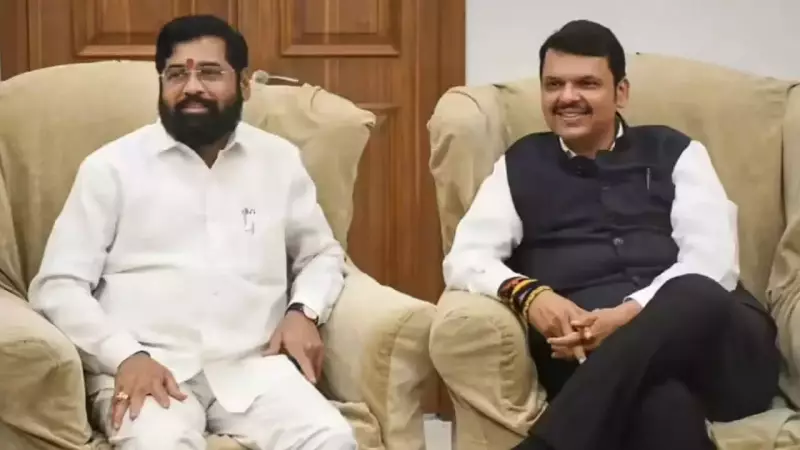
BJP MLA Rahul Narwekar confirmed the mayor position will go to BJP. However, Shinde emphasized different priorities. "We care more about improving Mumbaikars' lives than power positions," he stated.
Despite BJP's strong showing, they still require Shinde's support to govern effectively. Shinde, known as a tough negotiator, may demand key posts like standing committee chairperson, which controls BMC finances.
Regional Impact and Political Realignments
The Thackeray alliance failed to replicate Mumbai success in neighboring urban centers like Thane and Navi Mumbai. Meanwhile, Sharad Pawar's Nationalist Congress Party suffered defeats even in traditional strongholds including Pune and Pimpri-Chinchwad.
Analysts observe this election could trigger political realignments. Raj and Uddhav Thackeray might continue their partnership beyond this contest. Shinde emerges as BJP's stronger ally, raising questions about Ajit Pawar's long-term political utility.
The broader Mumbai Metropolitan Region shows declining Thackeray influence. Many believe Shiv Sena (UBT) would have performed better in Mumbai with Congress as an alliance partner.
Changing Political Landscape
This BMC verdict extends beyond municipal governance. With BJP controlling all three government tiers, regional parties face increasing challenges to remain relevant. The election demonstrates BJP's expanding coalition appeal across communities including north Indians, south Indians, Gujaratis, Marwaris, and Marathi middle class.
While Thackeray factions retained core Marathi support, BJP's wider traction proved decisive. The results confirm Mumbai's political transformation and BJP's growing urban dominance.