

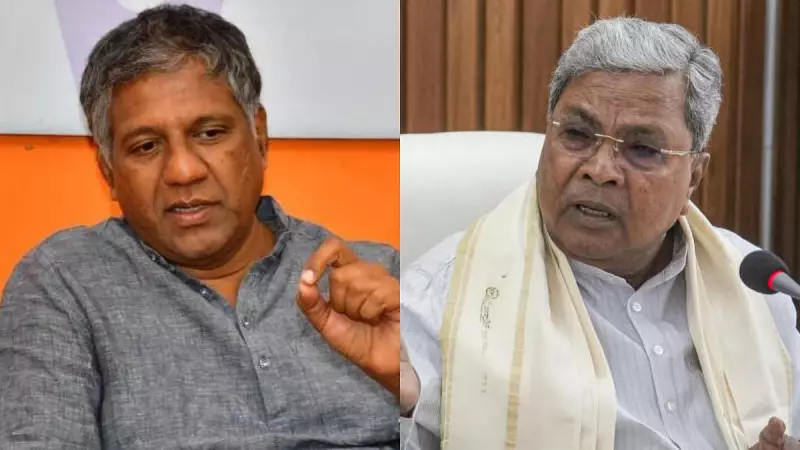
A significant political controversy has erupted in Karnataka, with the Bharatiya Janata Party (BJP) launching a sharp critique against Chief Minister Siddaramaiah. Senior BJP leader and Hubli-Dharwad West MLA, Arvind Bellad, has accused the Chief Minister of being a leader solely for his own Kuruba community rather than a representative for the entire spectrum of Other Backward Classes (OBCs).
Allegations of Narrow Representation
Bellad's comments, made on December 1, 2025, strike at the core of Siddaramaiah's political identity, which has long been associated with championing OBC and AHINDA (Kannada acronym for minorities, backward classes, and Dalits) causes. The BJP leader argued that the Chief Minister's policies and political stance primarily benefit his specific community, failing to address the broader needs and aspirations of the diverse OBC groups in the state.
This accusation is seen as a strategic move to challenge Siddaramaiah's support base and create a rift within the Congress's OBC voter bloc ahead of crucial political engagements.

Uncertainty Over No-Confidence Motion
In the same statement, Bellad addressed the ongoing speculation about the BJP's strategy for the upcoming winter session of the Karnataka Legislative Assembly in Belagavi. He revealed that the BJP has not yet finalized a decision on whether to move a no-confidence motion against the Siddaramaiah-led government during the session.
This indicates internal deliberations within the state BJP unit, weighing the political advantages and risks of such a direct confrontation. The winter session, traditionally held in Belagavi, is expected to be a heated affair with the opposition likely to corner the government on various administrative and policy issues.
Political Repercussions and Strategic Calculus
The remarks by Arvind Bellad are more than mere political rhetoric; they represent a calculated attempt to redefine the narrative around Karnataka's leadership. By labeling Siddaramaiah as a "Kuruba community leader," the BJP aims to confine his appeal and question his pan-OBC credibility.
This development sets the stage for intense political debates in the Belagavi session. The Congress party is likely to counter these allegations by highlighting its government's welfare schemes and social justice initiatives aimed at all backward communities. The outcome of this war of words could significantly influence the political discourse in Karnataka, impacting alliances and voter perceptions as the state moves forward in its political cycle.






